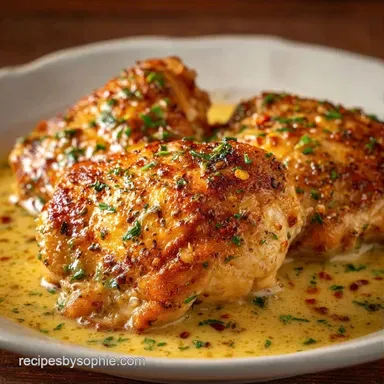
One-Pan Creamy Garlic Chicken Thighs: Pan-Seared
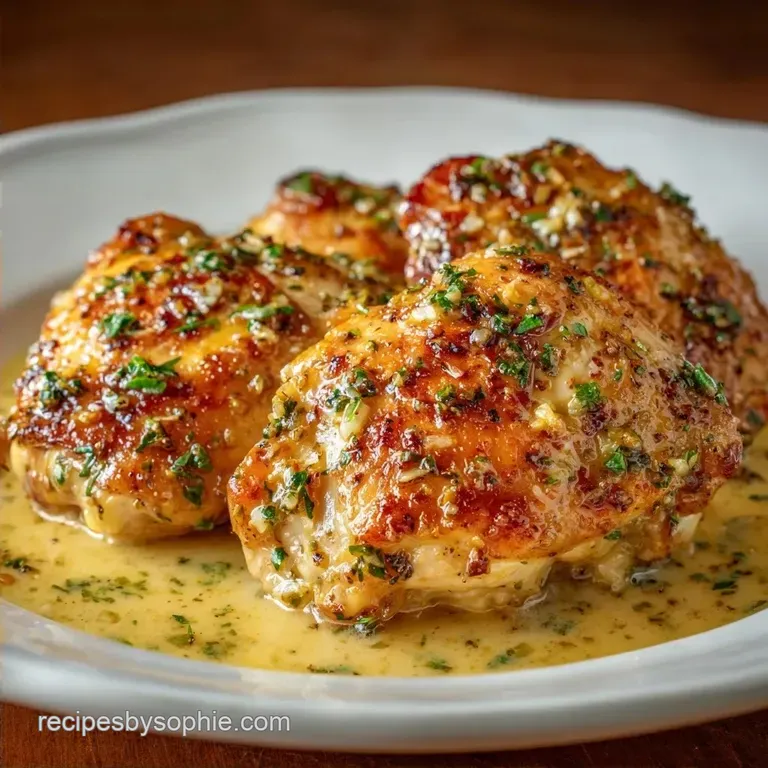
- Time: 10 min active + 20 min cook
- Flavor/Texture Hook: Velvety sauce with a deep golden crust
- Perfect for: A fast weeknight dinner that feels fancy
The sound of chicken thighs hitting a shimmering pan is my favorite noise in the kitchen. That loud, aggressive sizzle means the temperature is exactly where it needs to be. I remember the first time I tried to make a "fancy" cream sauce for my partner on a random Tuesday.
I rushed the sear, the chicken looked pale, and the sauce ended up tasting like warm milk. It was a disaster, but it taught me that the magic is all in the brown bits at the bottom of the pan.
Now, these Creamy Garlic Chicken Thighs are my go to when I want something that tastes like a bistro meal but doesn't require a culinary degree. It's the kind of dish that makes the whole house smell like a garlic paradise within twenty minutes.
You don't need a million pots or a fancy setup, just one good skillet and a bit of patience while the chicken browns.
Whether you're cooking for a picky family or just treating yourself after a long shift, this recipe delivers. It's rich, savory, and satisfying without being overly complicated. We're talking about juicy meat and a sauce so velvety you'll want to soak up every single drop with a piece of crusty bread.
Creamy Garlic Chicken Thighs
Right then, let's talk about why this actually works. Most people treat the sauce as the main event, but the real secret is the chicken's crust. When you sear those thighs, you're creating something called fond, which is just a fancy word for those caramelized brown bits stuck to the pan.
When the cream hits that pan, it lifts all that concentrated flavor and swirls it right into the sauce.
I've tried using chicken breasts for this, but honestly, don't even bother. Breasts dry out the second you look at them wrong. Thighs have more fat, which means they can handle the high heat of the sear and the simmer of the sauce without becoming rubbery.
Plus, they just taste "meatier," which balances out the richness of the heavy cream and Parmesan.
If you're looking for a quicker version without the sauce, you can check out my pan seared garlic thighs for a leaner option. But for this specific dish, we want that indulgence.
Why the Flavor Hits Right
- The Fond Effect: Searing the meat creates caramelized proteins that flavor the entire sauce.
- Fat Balance: The butter and heavy cream emulsify with the pan drippings to create a smooth, non greasy texture.
- Acidic Contrast: The sharp, pungent garlic cuts through the heavy dairy so the dish doesn't feel too "heavy."
- Dairy Binding: Parmesan doesn't just add salt, it acts as a thickener that keeps the sauce clinging to the meat.
| Method | Time | Texture | Best For |
|---|---|---|---|
| Fast Sear | 30 mins | Crispy skin, silky sauce | Busy weeknights |
| Oven Finish | 45 mins | Uniformly tender | Large groups |
| Slow Cooker | 4 hours | Fall apart shred | Meal prep |
Ingredient Deep Dive
Not all ingredients are created equal here. For example, using a low-fat cream would be a mistake because it would likely split when you add the cheese. You want the full fat version for that velvety mouthfeel. Also, the type of garlic matters. Freshly minced garlic is a must.
The pre minced stuff in jars has a metallic taste that ruins the delicate balance of the cream.
According to Serious Eats, the way you handle your fats can change the final flavor profile. Using a mix of olive oil and butter is a smart move. The oil has a higher smoke point, so it won't burn while searing the chicken, while the butter adds that nutty, rich flavor to the garlic.
Component Analysis
| Ingredient | Science Role | Pro Secret |
|---|---|---|
| Chicken Thighs | Flavor Base | Pat them bone dry for a better crust |
| Heavy Cream | Emulsifier | Don't boil it too hard or it may separate |
| Parmesan | Thickener | Grate it yourself for a smoother melt |
| Garlic | Aromatic | Add it only after the butter foams |
Equipment Needed
You don't need a kitchen full of gadgets for this. In fact, keeping it simple is better. The most important tool here is a 12 inch skillet. Cast iron is the gold standard because it holds heat so well, but a stainless steel pan works great too. Avoid non stick pans if you can.
Non stick pans don't develop that brown fond we talked about, which means your sauce will be missing a huge layer of flavor.
I also recommend a pair of tongs. Trying to flip chicken thighs with a fork is a recipe for splashing hot oil all over your stove. Tongs give you a grip and let you place the chicken precisely. A simple whisk or a wooden spoon will do for the sauce, but a whisk helps get those lumps of Parmesan out faster.
How to Make It
Let's crack on with the cooking. Make sure your chicken is at room temperature for about 15 minutes before you start. Cold meat drops the pan temperature, which leads to steaming instead of searing.
- Pat the chicken thighs dry with paper towels. Season both sides with salt, pepper, and paprika. Note: Moisture is the enemy of a good crust.
- Heat olive oil in a 12 inch skillet over medium high heat until shimmering. Add chicken and sear for 5–7 minutes per side until a deep golden brown crust forms. Remove chicken to a plate.
- Reduce heat to medium. Add butter to the pan drippings; once foaming, add minced garlic and sauté for 60 seconds until aromatic but not brown.
- Pour in heavy cream and dried oregano. Simmer for 3 minutes, scraping the bottom of the pan to release the fond. Note: Use a wooden spoon to get those brown bits up.
- Stir in Parmesan cheese until melted and smooth.
- Return chicken and any rested juices to the pan.
- Simmer, spooning sauce over the meat for 2 minutes until the sauce thickens and coats the back of a spoon.
- Garnish with chopped fresh parsley before serving.
Chef's Note: If the sauce looks too thick after adding the cheese, splash in a tablespoon of water or chicken broth. It'll loosen it up without ruining the flavor.
Avoiding Kitchen Disasters
Most people mess up this dish in one of two ways: they burn the garlic or they break the sauce. Garlic burns in a heartbeat. If it turns dark brown or black, it becomes bitter. If that happens, you're better off wiping the pan and starting the sauce over.
It's not worth ruining the whole meal for 30 seconds of saved time.
Then there's the issue of "splitting." This happens when the fat separates from the liquid, leaving you with oily patches on top of your sauce. This usually happens if the heat is too high when you add the cheese. Keep it at a gentle simmer, not a rolling boil.
Why Your Sauce Split
If you see oil beads floating on top, your sauce has broken. This usually happens because the dairy was overheated or the emulsion failed. You can often fix this by whisking in a tiny bit of cold water or a splash of lemon juice.
| Problem | Root Cause | Solution |
|---|---|---|
| Sauce is grainy | Cheese added to boiling cream | Lower heat and whisk vigorously |
| Chicken is pale | Pan wasn't hot enough | Wait for oil to shimmer before adding meat |
| Garlic tastes bitter | Overcooked garlic | Remove from heat immediately once fragrant |
Mistakes to avoid:
- ✓ Don't crowd the pan; cook in batches if needed.
- ✓ Never skip patting the chicken dry.
- ✓ Avoid using pre shredded cheese (it has cornstarch that prevents a smooth melt).
- ✓ Don't stir the chicken too much during the sear; let the crust build.
- ✓ Don't forget to add the rested juices back into the pan.
Flavor Variations to Try
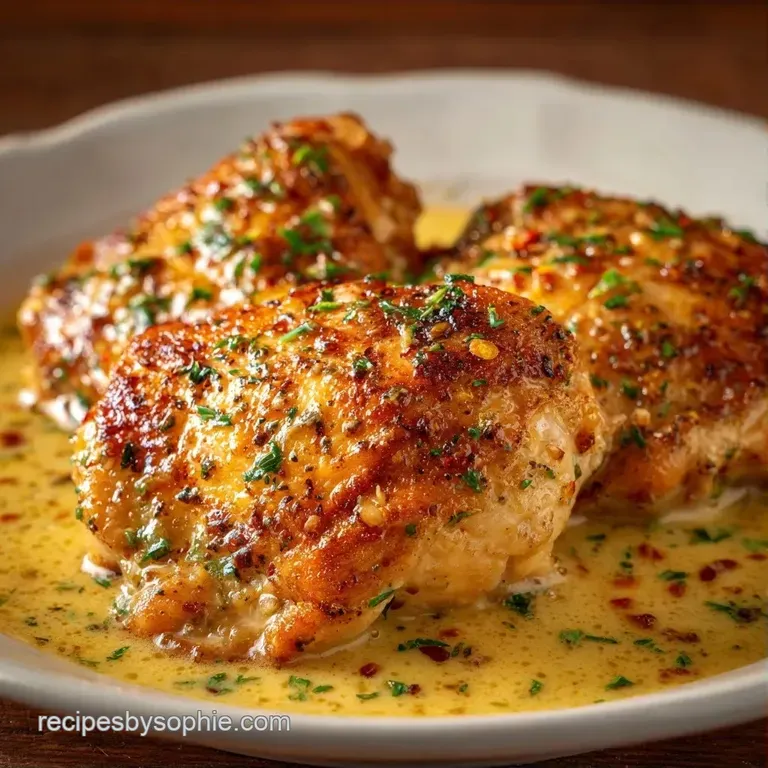
Once you've got the basic method down, you can really play around with this. I love making boneless garlic chicken thighs when I'm in a rush, but adding a few tweaks can change the whole vibe of the meal.
Add Some Earthiness
Try adding 8 ounces of sliced cremini mushrooms. Sauté them right after the chicken comes out of the pan, but before you add the butter and garlic. The mushrooms soak up the chicken fat and add a deep, savory note that works perfectly with the cream.
The Parmesan Power Up
For an even punchier flavor, swap the dried oregano for a teaspoon of Dijon mustard stirred into the cream. It adds a slight tang that cuts through the richness of the Parmesan.
Oven Based Method
If you have a lot of chicken, you can sear them on the stove and then move the whole skillet into a 375°F (190°C) oven for 10 minutes. This ensures the centers are cooked perfectly without over browning the outside.
Low Carb Adaptations
This is naturally very keto friendly. To keep it that way, skip the pasta and serve it over steamed cauliflower or sautéed spinach. The sauce is basically a flavor bomb, so you don't need carbs to make it feel like a full meal.
Scaling the Recipe
If you're cooking for a crowd, don't just double everything blindly. When you double the meat, you'll need a larger pan or you'll have to work in batches. If you crowd the pan, the chicken will release moisture and boil in its own juices instead of searing.
For 3 lbs of chicken, use 3 tbsp of oil and 5 tbsp of butter. However, only increase the salt and paprika by about 1.5x. Spices can become overwhelming when scaled linearly. For the liquids, 2 cups of cream and 1 cup of Parmesan will work, but reduce the simmering time by about 10% because the larger volume of sauce takes longer to heat up but holds heat longer.
If you're just cooking for one, use 0.5 lb of chicken and a small 8 inch skillet. Reduce the cream to 1/3 cup and use 2 tablespoons of Parmesan. Since there's less liquid, the sauce will thicken much faster, so keep a close eye on it so it doesn't evaporate completely.
Common Kitchen Myths
There's a lot of bad advice out there about chicken. Let's clear a few things up.
First, the idea that searing "seals in the juices" is a lie. Searing actually causes the meat to lose a bit more moisture. However, we do it anyway because the flavor we get from the browning is worth the tiny loss in moisture.
Second, some people think you have to let chicken "rest" for 20 minutes. While resting is huge for a whole roast or a steak, for pan seared thighs in a sauce, 5 minutes is plenty.
Since they're going back into a warm sauce, they won't cool down as fast as a piece of meat on a cutting board.
Preservation Secrets
Since this is a cream based dish, you have to be careful with how you store it. The sauce can thicken significantly in the fridge, turning into almost a paste.
Storage Guidelines Keep leftovers in an airtight container in the fridge for up to 3 days. Do not freeze this dish. The heavy cream and Parmesan often separate and become grainy when frozen and thawed, which ruins the velvety texture.
Zero Waste Tips If you have leftover sauce but no chicken, don't throw it away. It's an incredible base for a pasta dish. Just toss it with some fettuccine and a splash of pasta water. If you used bone in thighs (though this recipe calls for boneless), save those bones in a freezer bag.
Once you have a few, simmer them with carrot tops and onion skins to make a quick stock.
Pairing Ideas
Since these Creamy Garlic Chicken Thighs are so rich, you need something to balance the plate. A crisp, acidic side dish is the way to go. I usually go with roasted asparagus or a simple arugula salad with a lemon vinaigrette. The bitterness of the greens cuts right through the cream.
If you want something more filling, a side of garlic mashed potatoes or steamed jasmine rice is classic. The rice is especially good for soaking up the extra sauce. For those who love the sauce even more, you can make a separate batch of Chicken Sauce for 4 recipe to drizzle over grilled vegetables.
Alternatively, serve it over a bed of linguine. The pasta absorbs the sauce, and the Parmesan in the recipe ties everything together. Just be sure to undercook the pasta by a minute and finish it in the pan with the chicken for the best result.
Critical: Very High in Sodium
1350 mg 1350 mg of sodium per serving (59% 59% of daily value)
The American Heart Association recommends a daily sodium limit of 2,300 mg, with an ideal limit of 1,500 mg for most adults to reduce the risk of cardiovascular disease.
Tips to Reduce Sodium
-
Reduce Added Salt-30%
Omit or significantly reduce the 1 tsp of added salt. Since Parmesan is already salty, you can rely on the cheese for seasoning.
-
Limit Parmesan Cheese-15%
Reduce the amount of grated Parmesan cheese by half or substitute with nutritional yeast for a similar savory, nutty flavor with less sodium.
-
Add Citrus Acid-10%
Add a squeeze of fresh lemon juice or a teaspoon of apple cider vinegar at the end of cooking to mimic the 'zing' of salt.
-
Enhance Herbs and Spices
Increase the amount of dried oregano and fresh parsley, or add a pinch of crushed red pepper to boost flavor profile without adding sodium.
Recipe FAQs
What is the best way to make creamy garlic chicken?
Sear the thighs for 5-7 minutes per side to build a deep golden crust. This creates the fond needed for a rich sauce. Finish by simmering the chicken in a blend of heavy cream, garlic, and Parmesan.
How to make creamy tuscan garlic chicken at home?
Sauté minced garlic in butter before adding heavy cream and Parmesan. If you enjoyed this creamy profile, see how the same base works in our garlic parmesan chicken.
How to cook keto chicken with a creamy garlic sauce?
Use boneless skinless thighs and a sauce of heavy cream and Parmesan. Avoid adding flour or cornstarch thickeners. The sauce naturally thickens after simmering for 3 minutes.
How to cook a garlic butter chicken recipe?
Melt 3 tbsp of unsalted butter in the pan drippings. Sauté minced garlic for 60 seconds before incorporating the cream and oregano to create a rich, buttery base.
Is it true I can bake this recipe in the oven?
No, this is a common misconception. Searing in a skillet is required to get the golden crust and the pan drippings that define the sauce's flavor.
Why are these creamy garlic chicken thighs considered easy?
The one-pan process simplifies cleanup. You sear and simmer in a single 12-inch skillet, taking only 30 minutes from prep to plate.
Why is my garlic cream sauce too thin?
Simmer the heavy cream for a full 3 minutes. This reduces the liquid before the Parmesan is stirred in, ensuring a velvety, thick consistency.
Creamy Garlic Chicken Thighs: Pan-Seared