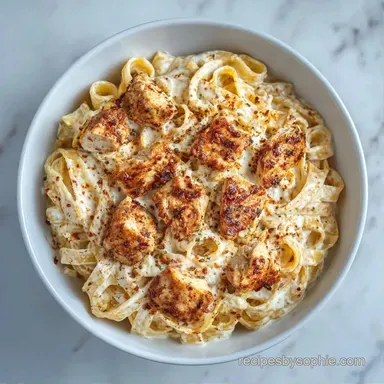
Creamy Pasta with Chicken: Velvety and Rich
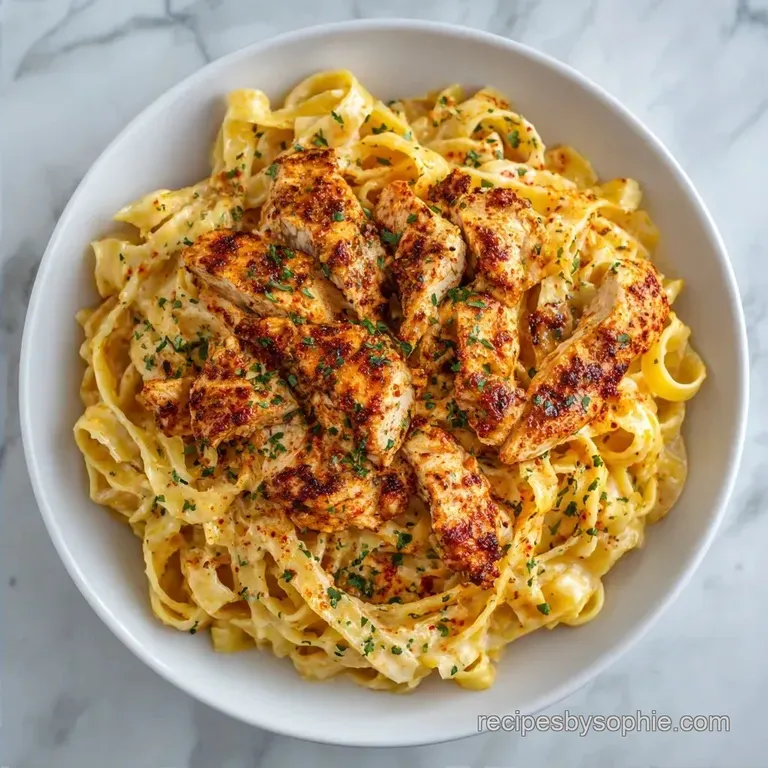
- Time: 5 min active + 20 min cook
- Flavor/Texture Hook: Velvety sauce with a hint of nutmeg and bright lemon
- Perfect for: Busy weeknights or a budget-friendly date night
- Creamy Pasta with Chicken
- Secret Techniques for Rich Sauce
- The Main Building Blocks
- Essential Kitchen Gear
- The Building Blocks
- Step by Step Cooking
- Solving Common Sauce Problems
- Troubleshooting Common Issues
- Adjusting Your Batch Size
- Common Cooking Myths
- Storage and Freshness Tips
- Serving and Plating Ideas
- Recipe FAQs
- 📝 Recipe Card
The sound of chicken breast hitting a hot pan with a loud sizzle is the best part of my Tuesday nights. I remember one evening when I was completely broke, staring at a few pieces of chicken and a half empty carton of cream, wanting something that felt fancy but didn't cost a fortune.
I just started tossing in what I had, and that's how I found the balance of lemon and nutmeg that makes this dish actually work.
It's not about having a kitchen full of expensive tools or imported cheeses. It's about how you handle the heat and the timing. This version of Creamy Pasta with Chicken focuses on getting a deep sear on the meat and using the pasta water to glue everything together.
You can expect a meal that feels rich and indulgent but comes together in under half an hour. We are going for a sauce that clings to the noodles, not a soup that puddles at the bottom of the bowl. Trust me, once you add that splash of lemon at the end, everything just clicks.
Creamy Pasta with Chicken
The real secret here is the pasta water. Most people just drain the pot and throw the water down the sink, which is basically throwing away liquid gold. That starchy water acts as a bridge between the fat in the cream and the surface of the pasta. According to the experts at Serious Eats, this is what creates that professional, glossy finish.
I've learned the hard way that you can't rush the chicken. If you crowd the pan, the meat steams instead of browning, and you lose all that depth. You want a golden crust on each piece. It takes an extra two minutes, but it changes the whole vibe of the meal.
This recipe is designed to be flexible. Whether you are using penne for something more hearty or fettuccine for a classic feel, the sauce works. I usually go with penne when I'm meal prepping for the week because it holds up better in the fridge.
Secret Techniques for Rich Sauce
Starch Binding: Saving a cup of pasta water lets you thin the sauce without losing thickness. The starch helps the cream and cheese stick to the noodles.
Nutmeg Balance: A pinch of nutmeg doesn't make it taste like a dessert. It actually cuts through the heaviness of the heavy cream and Parmesan, making the flavor feel more complex.
Acid Brightening: Adding lemon juice at the very end wakes up the fats. It stops the dish from feeling too "heavy" on the tongue.
The Fond Factor: Searing the chicken leaves brown bits in the pan. When you melt the butter and add the cream, those bits dissolve back into the sauce, adding a savory depth you can't get from just boiling.
| Method | Time | Texture | Best For |
|---|---|---|---|
| Fast (This Recipe) | 25 mins | Glossy & Velvety | Weeknight dinner |
| Classic Simmer | 60 mins | Thick & Dense | Sunday feast |
| One Pot Method | 30 mins | Starchy & Creamy | Minimal cleanup |
The Main Building Blocks
I've spent a lot of time wondering if I could use cheaper ingredients without ruining the dish. The answer is yes, but you have to be smart about it. For instance, using a block of Parmesan you grate yourself is always better than the powdered stuff in a green can, and it's often cheaper per ounce in the long run.
Component Analysis
| Ingredient | Science Role | Pro Secret |
|---|---|---|
| Heavy Cream | Fat base | Don't let it boil hard or it might separate |
| Parmesan | Salt & Umami | Grate it fine so it melts instantly |
| Garlic | Aromatics | Sauté just until fragrant, not brown |
| Pasta Water | Emulsifier | Add one tablespoon at a time until glossy |
Essential Kitchen Gear
You don't need a fancy setup for this. A large pot for the pasta and a wide skillet are the only non negotiables. If you have a stainless steel or cast iron skillet, use it - the browning on the chicken is much better than in a non stick pan.
For the cheese, a handheld grater or a food processor works. Avoid the pre shredded bags if you can, as they are coated in potato starch to prevent clumping, which can make your sauce feel a bit grainy.
The Building Blocks
- 1.5 lbs chicken breast, thinly sliced or cubed Why this? Quick cooking and lean protein
- 2 tbsp olive oil Why this? High smoke point for searing
- ½ tsp salt Why this? Basic seasoning
- ½ tsp black pepper Why this? Subtle heat
- ½ tsp paprika Why this? Adds color and smokiness
- 1 lb fettuccine or penne pasta Why this? Holds sauce well
- 1 tbsp salt (for pasta water) Why this? Seasons the pasta from inside
- 3 tbsp unsalted butter Why this? Richness and garlic base
- 4 cloves garlic, minced Why this? Essential flavor punch
- 2 cups heavy cream Why this? Thick, velvety body
- 1 cup freshly grated Parmesan cheese Why this? Sharp, salty finish
- ¼ tsp ground nutmeg Why this? Balances the cream
- 1 tbsp fresh lemon juice Why this? Cuts through the fat
- 2 tbsp fresh parsley, chopped Why this? Fresh, herbal finish
Budget Substitutes
| Original Ingredient | Substitute | Why It Works |
|---|---|---|
| Heavy Cream (2 cups) | Half and Half (2 cups) | Lighter feel. Note: Sauce will be thinner; simmer longer |
| Parmesan (1 cup) | Pecorino Romano | Saltier, sharper tang. Note: Use slightly less salt elsewhere |
| Chicken Breast | Chicken Thighs | More flavor and fat. Note: Needs 3-5 mins more to cook |
| Fettuccine | Rigatoni | Better for chunky additions. Note: Captures sauce inside the tube |
Step by step Cooking
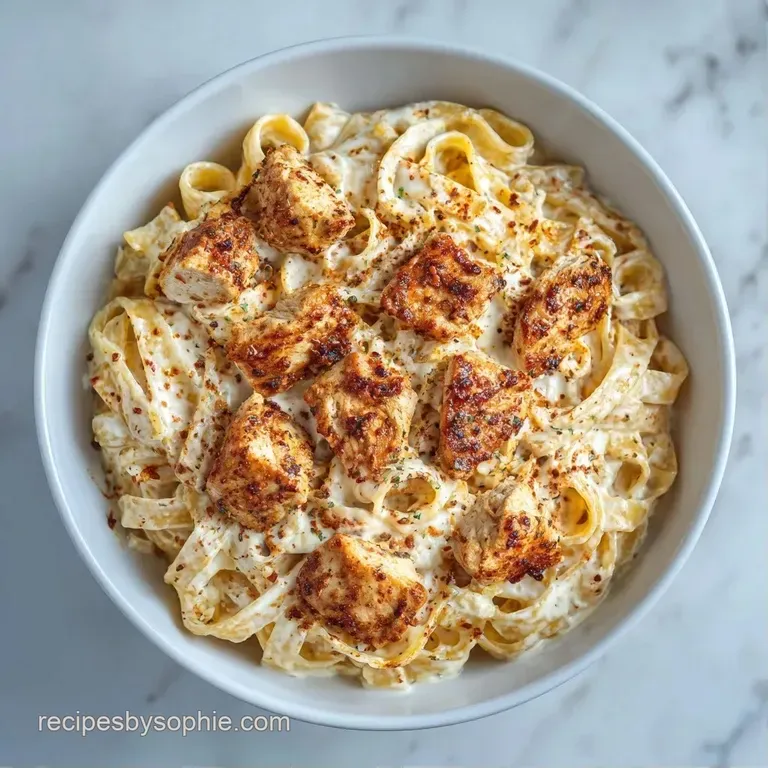
Bring a large pot of salted water to a rolling boil. Cook the pasta according to the package directions until just al dente. Reserve 1 cup of the starchy pasta water before draining. Note: Al dente is key so the pasta doesn't mush when tossed in the sauce.
Pat the chicken dry with paper towels and season with salt, pepper, and paprika. Heat olive oil in a skillet over medium high heat. Sear the chicken until golden brown and the internal temperature reaches 165°F (74°C). Remove chicken from the pan and set aside. Note: Check temps using USDA guidelines to ensure safety without overcooking.
Lower the heat to medium and melt the butter in the same skillet. Add the minced garlic and sauté for 1 minute until fragrant and soft.
Pour in the heavy cream and nutmeg. Whisk constantly and simmer gently for 3-5 minutes until the sauce slightly thickens and coats the back of a spoon.
Stir in the grated Parmesan cheese. Continue stirring until the cheese is completely melted and the sauce is smooth.
Return the cooked chicken and drained pasta to the skillet. Toss together using tongs or a large spoon.
Add reserved pasta water one tablespoon at a time. Continue tossing until the sauce is glossy and perfectly coats the pasta.
Stir in lemon juice and parsley just before removing from heat. Serve immediately while the sauce is velvety.
Solving Common Sauce Problems
The most common issue I see is the sauce "breaking." This happens when the fat separates from the liquid, leaving you with an oily mess. Usually, this is because the heat was too high or the cheese was added too quickly.
Troubleshooting Common Issues
| Issue | Solution |
|---|---|
| Why Your Sauce Curdled | If the sauce looks grainy, it's often due to the Parmesan reacting with high heat. |
| Why Your Chicken is Dry | Overcooking is the enemy here. If you leave the chicken in the pan while you make the sauce, it will turn into rubber. Always pull the meat out as soon as it hits that 165°F mark and let it rest. |
| Why Your Pasta is Bland | If the dish tastes "flat," you probably forgot the lemon juice or didn't salt the pasta water enough. The pasta itself needs to be seasoned before the sauce even touches it. |
Common Mistakes Checklist
- ✓ Did you reserve the pasta water before draining?
- ✓ Did you pat the chicken dry before searing?
- ✓ Did you use freshly grated cheese instead of pre shredded?
- ✓ Did you add the lemon juice at the very end?
- ✓ Did you avoid boiling the cream aggressively?
Adjusting Your Batch Size
If you're just cooking for yourself, cutting this in half is easy. Use a smaller skillet so the sauce doesn't evaporate too quickly. I recommend beating one egg in a cup and using half if you're adding any binders, but for this recipe, just halve everything. Reduce the simmering time by about 20%.
When doubling the recipe for a crowd, don't just double the salt and spices. I usually multiply the salt and paprika by 1.5x and then taste it at the end. Liquids can be doubled, but you'll likely need a much larger pot of water for the pasta to prevent it from sticking.
Work in batches when searing the chicken so you don't crowd the pan and lose that golden crust.
If you want a different twist, you might try my Creamy Garlic Chicken Pasta which focuses more on the garlic profile.
Common Cooking Myths
One big myth is that searing chicken "seals in the juices." It doesn't. Moisture loss happens regardless of how you start the cook. The reason we sear is for the flavor - those browned bits are where all the savory goodness lives.
Another one is that you need a roux (flour and butter) to make a thick sauce. While a roux works, using the natural reduction of heavy cream and the addition of Parmesan and pasta water creates a much smoother, more velvety texture.
Storage and Freshness Tips
This Creamy Pasta with Chicken keeps well in the fridge for up to 3 days. Store it in an airtight container. When you reheat it, the sauce will likely have thickened or separated - this is normal. Add a splash of milk or water before microwaving to loosen it back up.
I wouldn't recommend freezing this dish. The cream and cheese often break during the freezing and thawing process, leaving you with a grainy texture. If you must freeze it, freeze the cooked chicken and pasta separately and make a fresh batch of sauce.
For zero waste, save your chicken trim and any leftover Parmesan rinds. Toss the rinds into a pot of simmering water or soup for an instant flavor boost. If you have leftover pasta water, it's actually great for thickening other sauces or even adding to a garden as a mild nutrient boost (once cooled).
Serving and Plating Ideas
For a complete meal, I love serving this with a side of roasted asparagus or a simple arugula salad with a sharp vinaigrette to balance the richness. If you're feeling fancy, a sprinkle of extra fresh parsley and a crack of black pepper on top makes it look like it came from a bistro.
If you prefer a version that's even faster, you can check out my One Pot Garlic Pasta for those nights when you really can't handle two pots.
For the best experience, serve this in warmed bowls. Creamy sauces cool down quickly, and a warm bowl keeps the sauce glossy and velvety for longer. If you have a lemon, place a few thin slices on the side for guests to add an extra zing of acidity if they prefer it brighter.
Recipe FAQs
How do you make creamy pasta with chicken breast?
Sear seasoned chicken to 165°F, simmer heavy cream and garlic, then toss in pasta and Parmesan. Finish the dish with lemon juice and fresh parsley for brightness.
Is it true that I should leave the chicken in the pan while making the sauce?
No, this is a common misconception. Leaving the meat in the pan will overcook it and turn it into rubber; always remove the chicken once it reaches 165°F.
Why is my creamy garlic sauce graining or curdling?
The Parmesan cheese is likely reacting to high heat. Maintain a medium temperature when stirring in the cheese to ensure a smooth, stable emulsion.
How do you fix a pasta sauce that is too thick?
Stir in reserved starchy pasta water one tablespoon at a time. This loosens the consistency and creates a glossy finish that coats the noodles perfectly.
Is it okay to freeze this creamy chicken pasta?
No, it is not recommended. The cream and cheese often break during the freezing and thawing process, resulting in a grainy texture.
How do you keep the chicken from becoming dry and rubbery?
Pull the chicken from the heat exactly at 165°F (74°C). Let the meat rest before returning it to the skillet at the very end of the process.
Can I make this without pasta for a lower carb option?
Yes, simply omit the noodles. For a similar flavor profile without the pasta, try our garlic Parmesan chicken.
Creamy Pasta with Chicken in 25 Minutes