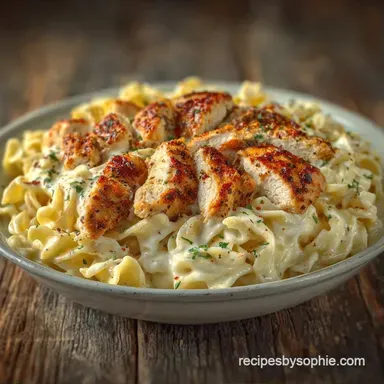
Garlic Chicken Alfredo Pasta: Creamy and Rich
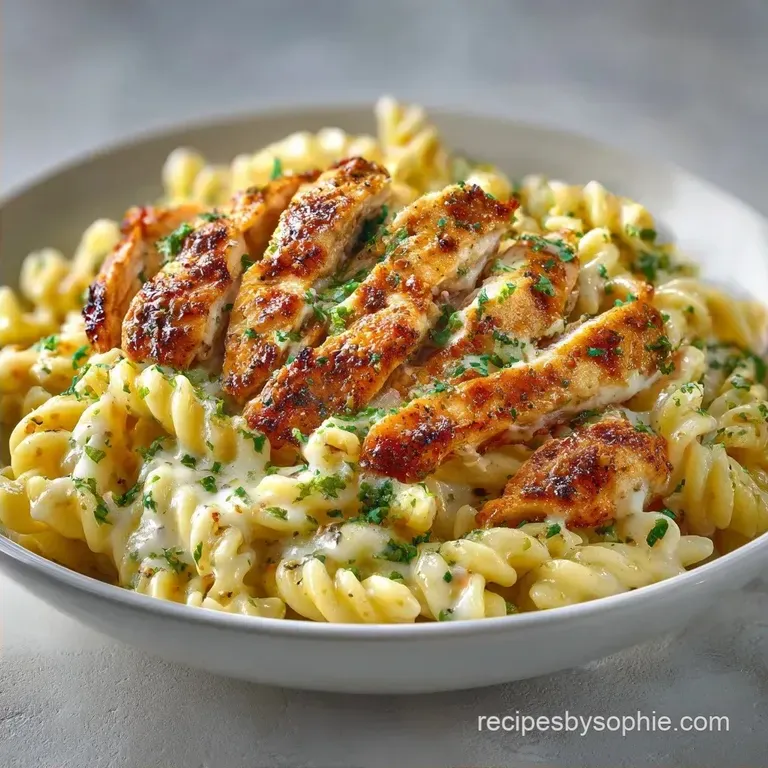
- Time: 10 min active + 20 min cooking
- Flavor/Texture Hook: Velvety sauce with mahogany crusted chicken
- Perfect for: Weeknight comfort or a cozy date night
- The Best Garlic Chicken Alfredo Pasta
- The Hidden Logic
- Essential Ingredient Breakdown
- Gathering Your Essentials
- Your Kitchen Toolkit
- Step by Step Process
- Fixing Common Errors
- Troubleshooting Common Issues
- Twists and Swaps
- Adjusting The Batch Size
- Debunking Common Myths
- Storage and Waste
- Best Side Dishes
- Recipe FAQs
- 📝 Recipe Card
Imagine a small restaurant in Rome back in the early 1900s. A man named Alfredo di Lelio started serving a simple mix of butter and parmesan to his wife, who was recovering from an illness. It wasn't a "sauce" in the way we think of it today, but rather an emulsion of fat and cheese.
When the dish traveled to the States, we added heavy cream to make it more stable and rich, turning it into the comfort food staple we recognize now.
I used to think the cream was just for taste, but it actually acts as a buffer. Without it, the cheese often clumps or separates if the pan gets too hot. By adding that layer of fat, you get a sauce that stays smooth even after it hits the plate.
This Garlic Chicken Alfredo Pasta is all about the contrast. You have the deep, salty sear of the chicken hitting that silky, nutty sauce. It's a heavy dish, but a squeeze of lemon at the end cuts right through the richness, making it feel balanced rather than overwhelming.
The Best Garlic Chicken Alfredo Pasta
The trick to this recipe is not rushing the chicken. If you crowd the pan, the meat steams instead of searing, and you lose those brown bits at the bottom of the skillet. Those bits are where the flavor lives, and they integrate directly into the cream sauce later.
Right then, let's talk about the cheese. Please, for the love of your dinner, don't use the stuff in the green shaker can. Pre grated cheese is coated in potato starch or cellulose to keep it from clumping in the bag. That starch prevents the cheese from melting smoothly, which is why some sauces end up feeling grainy.
Grating your own Parmesan makes a world of difference in the final texture.
Trust me on the nutmeg, too. It's a tiny amount, but it does something weird and wonderful to the cream. It doesn't make it taste like a holiday candle, but it highlights the nuttiness of the cheese. It's one of those "I can't tell what this is, but it tastes better" ingredients.
The Hidden Logic
Understanding what's happening in the pan helps you avoid the usual disasters. Here is why this specific method works:
- The Fond Effect: Searing chicken leaves caramelized proteins on the pan. When you add butter and cream, these bits dissolve, adding a deep, savory layer to the sauce.
- Fat Stabilization: Heavy cream contains a high percentage of milk fat. This prevents the Parmesan from seizing and separating when it hits the heat.
- Starch Binding: Adding a splash of reserved pasta water introduces gelatinized starch. This helps the sauce "grip" the noodles instead of sliding off.
- Acid Balance: A tiny bit of lemon juice lowers the overall pH of the dish. This brightens the heavy fats and keeps the flavor from feeling "muddy."
| Approach | Texture | Prep Time | Best For |
|---|---|---|---|
| Fresh Scratch | Velvety & Thick | 30 mins | Date night / Quality focus |
| Shortcut/Jarred | Thin & Glossy | 15 mins | Ultra fast weeknight |
| low-fat Swap | Grainy/Lighter | 35 mins | Health conscious |
Essential Ingredient Breakdown
Not every ingredient is just there for flavor; some are doing the heavy lifting for the structure of the meal.
| Ingredient | Science Role | Pro Secret |
|---|---|---|
| Heavy Cream | Emulsifier | Use full fat; low-fat versions often split. |
| Parmesan Cheese | Thickener | Use Parmigiano Reggiano for a sharper bite. |
| Unsalted Butter | Flavor Carrier | Brown it slightly for a nuttier aroma. |
| Pasta Water | Bridge | Always salt your water like the sea. |
Gathering Your Essentials
Grab these items before you turn on the stove. Having everything measured out prevents the garlic from burning while you're searching for the nutmeg.
- 1 lb boneless skinless chicken breasts, sliced into strips Why this? Fast cooking and easy to sear
- 1 tsp garlic powder Why this? Adds a base layer of savory flavor
- 1 tsp paprika Why this? Provides that mahogany color
- 1/2 tsp salt
- 1/2 tsp black pepper
- 2 tbsp olive oil
- 4 tbsp unsalted butter Why this? Creates a rich, silky mouthfeel
- 4 cloves garlic, minced
- 2 cups heavy cream Why this? Necessary for the stable emulsion
- 1 cup Parmesan cheese, freshly grated Why this? Melts without clumping
- 1/4 tsp ground nutmeg
- 12 oz fettuccine Why this? Wide surface area for sauce adhesion
- 1/2 cup reserved pasta water
- 2 tbsp fresh parsley, chopped
- 1 tsp lemon juice Why this? Cuts through the heavy cream fat
Your Kitchen Toolkit
You don't need a professional kitchen for this. A few basic tools will do the job perfectly.
- Large Skillet: A stainless steel or cast iron pan is best for the chicken sear. Non stick is okay, but you won't get as much "fond" (the brown bits) for the sauce.
- Large Pot: For boiling the pasta.
- Whisk: Essential for getting the Parmesan integrated without lumps.
- Tongs: For flipping the chicken strips quickly.
- Fine Grater: For the cheese.
Step by step Process
Let's get moving. Keep your heat steady and don't walk away from the garlic.
Phase 1: The Golden Sear
- Toss the chicken strips in a bowl with garlic powder, paprika, salt, and pepper until evenly coated.
- Heat olive oil in a skillet over medium high heat. Add chicken and cook for 5-7 minutes, flipping occasionally, until a mahogany colored crust forms and the center is no longer pink.
- Remove chicken from the pan and set aside on a plate, leaving the browned bits in the pan. Note: This preserves the flavor for the sauce.
Phase 2: The Velvet Base
- Melt butter in the same skillet over medium heat. Add minced garlic and sauté for 1 minute until fragrant and shimmering.
- Pour in the heavy cream and nutmeg. Bring to a gentle simmer for 3-5 minutes, stirring occasionally, until the sauce thickens slightly and coats the back of a spoon.
- Remove the pan from the heat and whisk in the freshly grated Parmesan cheese until the sauce is smooth and silky. Note: Removing from heat prevents the cheese from breaking.
Phase 3: The Final Marriage
- Toss the cooked fettuccine and seared chicken into the sauce. Add reserved pasta water and lemon juice as needed to emulsify and reach the desired consistency.
- Garnish with chopped fresh parsley and serve immediately.
Chef's Note: If the sauce seems too thick once the pasta goes in, add the reserved pasta water one tablespoon at a time. The starch in the water helps the sauce glide over the noodles without separating.
Fixing Common Errors
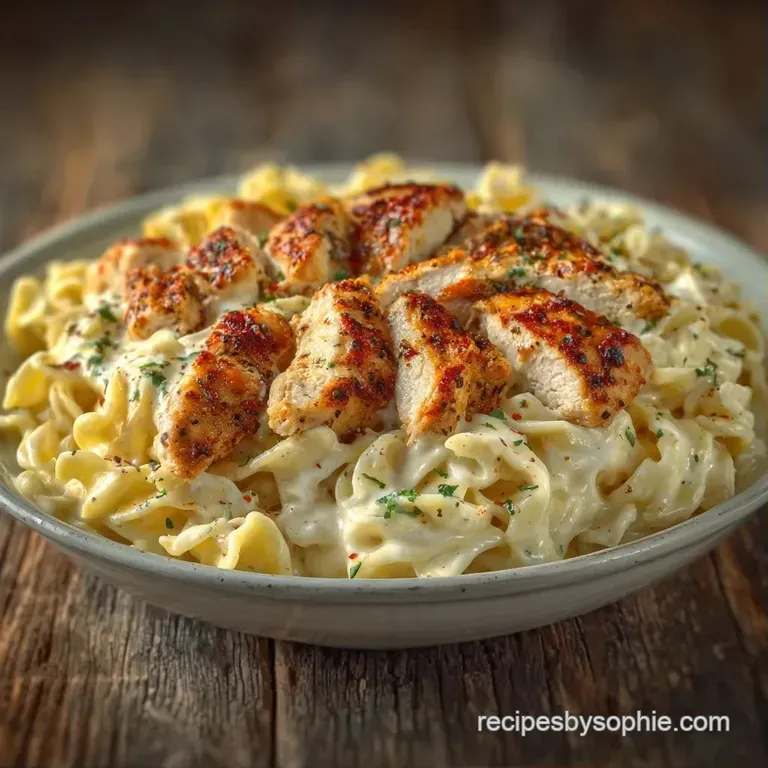
Even the best of us mess up a sauce occasionally. Usually, it's a temperature issue.
Troubleshooting Common Issues
| Issue | Solution |
|---|---|
| Why Your Sauce Is Grainy | This almost always happens because the heat was too high when the cheese was added. When Parmesan overheats, the proteins clump together and the fat separates. |
| Why Your Chicken Is Dry | Overcooking the strips is a common mistake. Since they are sliced thin, they only need a few minutes per side. If you leave them in while making the sauce, they'll turn into rubber. |
| Why Your Sauce Is Too Thin | If the sauce feels like soup, you likely didn't simmer the cream long enough or you used too much pasta water. |
Mistake Checklist:
- ✓ Did you grate your own cheese?
- ✓ Did you remove the pan from heat before adding Parmesan?
- ✓ Did you sear the chicken without crowding the pan?
- ✓ Did you save a cup of pasta water before draining?
- ✓ Did you add the lemon juice at the very end?
Twists and Swaps
You can easily pivot this Garlic Chicken Alfredo Pasta to fit what's in your fridge. If you want something a bit lighter, you could try a one pot garlic pasta approach, though you'll lose some of that rich creaminess.
Protein Alternatives
While chicken is the classic, shrimp works beautifully here. Just sear the shrimp for 2 minutes per side and remove them. Salmon fillets also work well if you leave the skin on for extra crispiness.
Vegetable Add ins
Broccoli florets or sautéed spinach are the go to choices. I recommend steaming the broccoli separately and tossing it in at the end so it stays bright green and snappy.
Lighter Versions
If you can't do heavy cream, you can use half and half, but you'll need to simmer it longer to get the same thickness. Alternatively, blending a bit of soaked cashews into the sauce provides a similar fat content with a different flavor profile. For a completely different take, my Chicken Sauce for 4 recipe uses a slightly different ratio for those who want more sauce and less pasta.
| Original Ingredient | Substitute | Why It Works |
|---|---|---|
| Heavy Cream | Half and Half | Lighter feel. Note: Sauce will be thinner and less stable |
| Fettuccine | Penne or Rigatoni | Holds sauce inside the tube. Note: Changes the "cling" factor |
| Parmesan | Pecorino Romano | Saltier, sheep's milk flavor. Note: Much more aggressive taste |
Adjusting The Batch Size
Cooking for two or cooking for ten requires different strategies. You can't just multiply everything and expect the same result.
Scaling Down (Half Batch): Use a smaller skillet. If you use a massive pan for a small amount of cream, the liquid will evaporate too quickly and you'll end up with a paste instead of a sauce. Reduce the simmering time for the cream by about 20%.
Scaling Up (Double/Triple Batch): Do not cook all the chicken at once. Work in batches. If you put 3 lbs of chicken in one pan, the temperature will drop, and the meat will boil in its own juices. For the sauce, increase the salt and spices to only 1.5x the original amount first, then taste.
Over seasoning is easier to do with large batches.
Debunking Common Myths
There are a few things people say about pasta that just aren't true.
The "Seal in Juices" Myth: Many people think searing the chicken "seals" the moisture inside. It doesn't. Searing creates flavor through browning, but moisture loss happens regardless of the sear. The reason we do it here is for the taste and the fond.
The "Oil in Pasta Water" Myth: Adding oil to your boiling water to prevent sticking is useless. The oil just floats on top and then coats the pasta, which actually prevents the sauce from sticking to the noodles. Just stir the pasta occasionally.
The "Cream is Authentic" Myth: As mentioned before, the original Roman Alfredo had no cream. It was a over high heat emulsion of butter and cheese. While the cream version is what we love today, it's a cultural evolution, not the "original" secret.
Storage and Waste
Leftovers can be tricky with cream sauces because they tend to tighten up in the fridge.
Fridge & Freezer: Store in an airtight container for 3-4 days. Do not freeze this dish. The cream and cheese will separate during the freezing and thawing process, leaving you with a grainy, oily mess.
Reheating the Right Way: Never microwave on high. Put the pasta back in a pan over low heat and add a splash of milk or water. This loosens the fats and brings back the velvety texture.
Zero Waste Tips: Don't throw away the parsley stems. Chop them finely and add them to the butter when sautéing the garlic for extra depth. If you have leftover pasta water, use it as a base for a quick vegetable soup or to thin out a different sauce later in the week.
Best Side Dishes
Since this Garlic Chicken Alfredo Pasta is so rich, you need something acidic or fresh to balance the plate.
Fresh Greens: A simple arugula salad with lemon vinaigrette is the best match. The peppery bite of the arugula cuts right through the Parmesan.
Roasted Veggies: Garlic roasted asparagus or charred broccolini provides a nice snap and bitterness that contrasts the creamy sauce.
Bread Choices: If you must have bread, go for a crusty sourdough rather than a buttery garlic bread. You already have plenty of butter and garlic in the main dish, so something tangy and toasted is a better balance.
Recipe FAQs
What kind of pasta is best for chicken alfredo?
Fettuccine is the ideal choice. Its wide, flat surface area allows the heavy cream and Parmesan sauce to cling to the pasta much better than thinner shapes.
Is chicken alfredo okay for a pregnant woman?
Yes, provided the chicken is cooked thoroughly. Ensure the meat is no longer pink in the center and use pasteurized cheese to maintain safety.
Can you put garlic in chicken alfredo?
Yes, it is essential for depth. This recipe uses garlic powder for the chicken crust and minced garlic sautéed in butter for the sauce.
Is Alfredo sauce good for high cholesterol?
No, it is generally not recommended. The combination of heavy cream, butter, and Parmesan cheese makes it very high in saturated fats.
How to make creamy tuscan garlic chicken at home?
Sauté minced garlic in butter, then simmer with heavy cream and nutmeg. Whisk in Parmesan cheese and combine with seared chicken for a rich, creamy result.
How to cook keto chicken with a creamy garlic sauce?
Skip the fettuccine and serve the chicken and sauce over low-carb vegetables. This allows you to enjoy the heavy cream and Parmesan flavors without the carbohydrates.
How to cook a garlic butter chicken recipe?
Toss chicken in garlic powder and paprika, then sear in olive oil. If you enjoyed this searing method, see how the same principle works in our boneless garlic chicken.
Garlic Chicken Alfredo Pasta in 30 Min