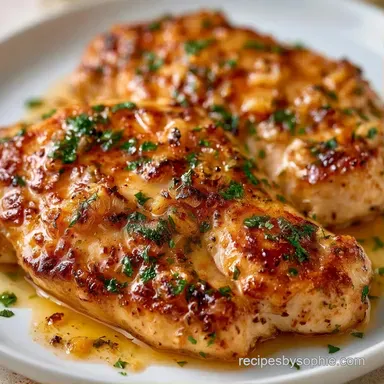
Boneless Garlic Chicken: Golden and Buttery
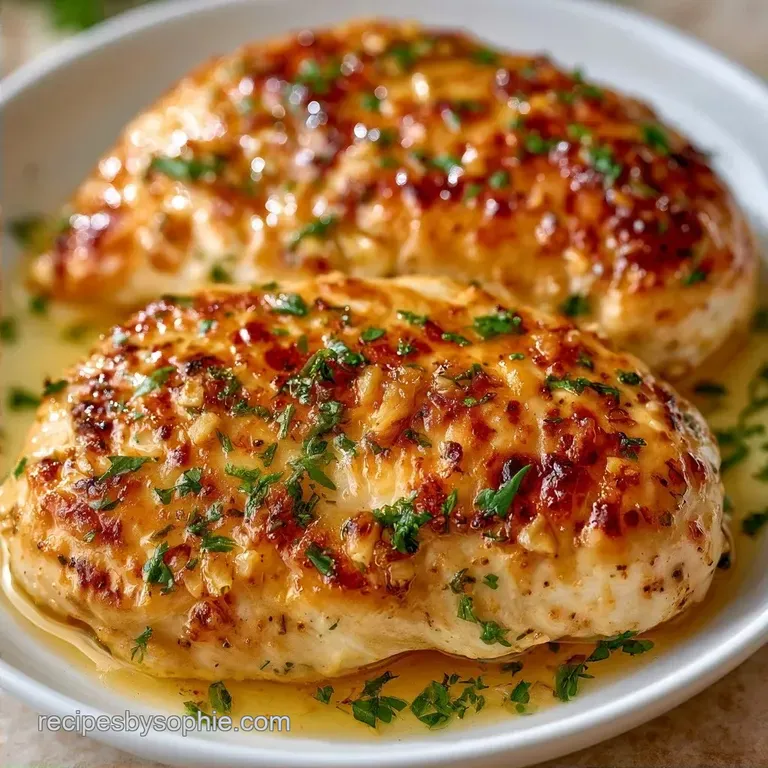
- Time: 10 min active + 15 min cooking = Total 25 mins
- Flavor/Texture Hook: Deep golden brown crust with a velvety, buttery finish
- Perfect for: Fast weeknight dinners or a budget-friendly date night
- The Secret to This Boneless Garlic Chicken Recipe
- The Role of Every Ingredient
- Everything You Need for the Pan
- The Right Tools for the Job
- Getting the Golden Searing Right
- Common Hurdles and Easy Fixes
- Adjusting for More Guests or Diets
- Saving Leftovers and Kitchen Scraps
- Best Sides for Garlic Butter Chicken
- Recipe FAQs
- 📝 Recipe Card
That sound of butter hitting a hot cast iron pan, that aggressive sizzle, is basically my favorite song. There's nothing quite like the aroma of fresh garlic hitting foaming butter - it fills the whole house and immediately makes everything feel more like a real meal.
I used to make the classic mistake of just throwing whole chicken breasts into a pan and hoping for the best. I'd end up with these pieces that were charred black on the outside but practically raw in the center. It was frustrating, and honestly, a waste of good meat.
Then I realized the secret isn't the heat, it's the geometry. Once I started pounding the meat to an even thickness, everything changed.
This Boneless Garlic Chicken Recipe is all about that consistency. By leveling out the breast, you ensure every single millimeter of the meat hits the pan at the same time. You get that shatter crisp exterior without overcooking the middle. Trust me, once you start using a meat mallet, you'll never go back to "natural" shapes.
The Secret to This Boneless Garlic Chicken Recipe
Right then, let's talk about why this actually works. Most people just fry chicken and call it a day, but the magic here is in the layers of flavor. We start with a dry rub for the crust, then we finish with a butter baste for the moisture.
It's a simple shift, but it's the difference between a rubbery piece of protein and something that feels like it came from a bistro.
The beauty of this dish is that it doesn't require expensive ingredients. We're using basic staples - butter, garlic, and lemon - but we're treating them with a bit of respect. It's budget smart cooking that doesn't taste "cheap". If you're looking for something similar but with a different herb profile, you might enjoy my Italian Garlic Chicken which uses a slightly different seasoning blend.
Why the Meat Stays Juicy
- Even Thickness
- Pounding the chicken prevents the thin tail from overcooking while the thick center stays raw.
- The Butter Blanket
- Basting the meat with foaming butter creates a barrier that locks in moisture.
- over High heat Sear
- Rapidly browning the surface creates a crust that keeps the internal juices from evaporating too quickly.
- Acid Finish
- Adding lemon juice at the very end cuts through the heavy butter fat, brightening the whole dish.
| Method | Time | Texture | Best For |
|---|---|---|---|
| Quick Sear | 12 mins | Firm / Simple | Lunch prep |
| Butter Basted | 15 mins | Velvety / Rich | Dinner party |
| Baked | 25 mins | Soft / Tender | Large crowds |
The Role of Every Ingredient
I've found that if you swap the fresh garlic for the jarred stuff, you lose that pungent, sharp kick. Fresh garlic has a volatile oil that reacts with the butter to create that signature aroma. It's the hero of the dish, so don't cheat here.
The lemon juice is another non negotiable. Without it, the butter can feel a bit too heavy on the tongue. The acid "lifts" the flavor and makes the garlic pop. It's a basic principle of balance that makes home cooking feel professional.
| Ingredient | Science Role | Pro Secret |
|---|---|---|
| Kosher Salt | Moisture Draw | Pat meat dry after salting for a better crust |
| Unsalted Butter | Flavor Carrier | Use unsalted so you can control the seasoning |
| Fresh Garlic | Aromatic Base | Mince just before cooking to keep oils active |
| Lemon Juice | pH Balancer | Add at the end to prevent the butter from splitting |
Everything You Need for the Pan
Let's get into the gear and the goods. I prefer using boneless, skinless breasts for this because they take the garlic butter soak so well. However, if you're on a tight budget, you can easily use thighs.
- 1.5 lbs boneless, skinless chicken breasts Why this? Consistent lean protein that sears well
- 0.5 tsp kosher salt Why this? Larger grains mean you won't over salt
- 0.5 tsp cracked black pepper Why this? Fresh crack adds a woody heat
- 1 tsp garlic powder Why this? Adds a base layer of garlic that doesn't burn
- 1 tbsp vegetable oil Why this? High smoke point for the initial sear
- 4 tbsp unsalted butter Why this? Provides the rich, nutty basting liquid
- 4 cloves fresh garlic, minced Why this? The main flavor driver
- 1 tbsp fresh lemon juice Why this? Cuts through the richness
- 1 tbsp fresh parsley, chopped Why this? Adds a fresh, grassy finish
| Original Ingredient | Substitute | Why It Works |
|---|---|---|
| Unsalted Butter | Ghee (Clarified Butter) | Higher smoke point. Note: Less "milky" flavor than butter |
| Lemon Juice | Apple Cider Vinegar | Similar acidity. Note: Adds a slightly fruitier, fermented note |
| Vegetable Oil | Avocado Oil | Very high smoke point. Note: Neutral taste, healthier fats |
| Fresh Parsley | Dried Oregano | Earthy herb profile. Note: Add during the searing phase, not at the end |
The Right Tools for the Job
You don't need a fancy kitchen to nail this, but a few specific tools make it way easier. First, a cast iron skillet is my go to. It holds heat like a beast, which is exactly what you need for that golden brown crust. If you don't have one, stainless steel works too.
Avoid non stick pans for this specific recipe - they can't handle the heat needed for a proper sear, and the butter won't brown as beautifully.
A meat mallet is the other essential. If you don't have one, a heavy rolling pin or even the bottom of a sturdy skillet will do. The goal is to flatten the chicken to about 3/4 inch. This ensures the cooking time is consistent across the whole piece of meat.
Finally, keep a pair of tongs handy. Don't use a fork to flip the chicken - poking holes in the meat lets the juices escape, and you'll end up with a dry piece of chicken. Tongs allow you to move the meat without compromising the internal moisture.
Getting the Golden Searing Right
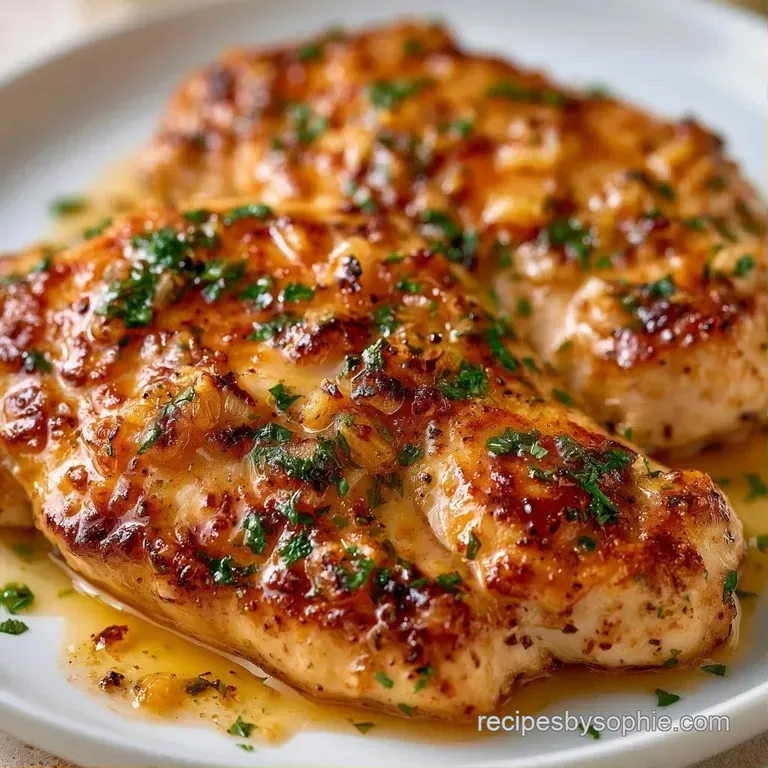
Right, let's crack on with the actual cooking. Keep your heat steady and don't crowd the pan, or the chicken will steam instead of sear.
- Place chicken breasts between two sheets of parchment paper. Use a meat mallet to pound the thickest part until the entire breast is an even 3/4 inch thickness. Pat completely dry with paper towels. Note: Wet meat won't brown; it just boils in the pan
- Season both sides of the chicken cutlets with salt, pepper, and garlic powder.
- Heat 1 tablespoon of oil in a 12 inch cast iron or stainless steel skillet over medium high heat until shimmering.
- Place chicken in the pan and sear undisturbed for 5–6 minutes until a deep golden brown crust forms. Flip and cook for another 4–5 minutes.
- Reduce heat to medium. Slide the chicken to one side of the pan and add the butter. Once foaming, stir in the minced garlic for 60 seconds until fragrant.
- Spoon the bubbling garlic butter over the chicken repeatedly for 2 minutes to baste the meat. Note: This is where the "velvety" texture comes from
- Remove from heat, stir in lemon juice and parsley, and drizzle the remaining pan sauce over the chicken.
Chef's Tip: If the butter starts to turn dark brown too quickly, pull the pan off the heat for 30 seconds. You want "nutty brown," not "burnt black."
Common Hurdles and Easy Fixes
Even with a simple Boneless Garlic Chicken Recipe, things can go sideways. The most common issue is the garlic burning. Garlic has a low burn point, which is why we add it at the end with the butter, rather than at the start with the oil.
If the garlic turns black, it becomes bitter, and you'll have to start the sauce over.
Another thing I see often is chicken sticking to the pan. This usually happens because the pan wasn't hot enough, or the chicken was flipped too early. When the meat has developed a proper crust, it will naturally "release" from the metal. If you tug and it resists, give it another minute.
Why Your Butter Separates
If you add the lemon juice while the pan is screaming hot, the emulsion can break, leaving you with a pool of oil instead of a sauce. Always remove the pan from the direct heat source before stirring in the acid.
Why Your Chicken Is Dry
This usually happens from overcooking the thinner edges. According to Serious Eats, using a meat thermometer to pull chicken at 160°F (71°C) and letting it carry over to 165°F (74°C) is the only way to guarantee juiciness.
| Problem | Root Cause | Solution |
|---|---|---|
| Bitter taste | Burnt garlic | Lower heat; add garlic only when butter foams |
| Rubbery meat | Overcooked | Pound to even thickness; use a meat thermometer |
| Pale chicken | Pan too cold | Wait for oil to shimmer before adding meat |
Mistakes Checklist:
- ✓ Did you pat the chicken dry before seasoning?
- ✓ Is the meat an even 3/4 inch thickness?
- ✓ Did you wait for the oil to shimmer before searing?
- ✓ Did you remove the pan from heat before adding lemon?
- ✓ Did you avoid poking the meat with a fork?
Adjusting for More Guests or Diets
If you're cooking for a crowd, don't just double the chicken in one pan. You'll crowd the skillet, the temperature will drop, and you'll get grey, steamed meat instead of a golden sear. Work in batches. Sear two breasts, set them aside on a plate, and then do the next two.
For those wanting a Healthy Garlic Chicken Recipe, you can swap the butter for a high-quality olive oil. You won't get the same "nutty" baste, but the flavor is still great. If you're using Boneless Garlic Chicken Thighs, increase the sear time by 2-3 minutes per side.
Thighs have more fat and connective tissue, so they can handle (and need) more heat to get that perfect texture.
Scaling Guide:
- Cutting it in half: Use a smaller 8 inch skillet. Reduce the butter to 2 tbsp and garlic to 2 cloves.
- Doubling the batch: Use two pans or work in two batches. Increase salt/pepper by 1.5x (don't double it, or it'll be too salty).
- Using Thighs: Increase cook time by 20%. Lower the heat slightly during the baste to avoid burning the extra fat.
Saving Leftovers and Kitchen Scraps
This chicken keeps surprisingly well in the fridge for about 3-4 days. The trick to reheating is avoiding the microwave if possible. Microwaves zap the moisture, turning your velvety chicken into a rubber eraser. Instead, pop it in a skillet over medium low heat with a tiny splash of water or a knob of butter.
Cover it with a lid for 2 minutes to steam it back to life.
For the freezer, I'd say 2 months max. Freeze it in an airtight container or a vacuum seal bag. Thaw it in the fridge overnight before reheating.
To keep things zero waste, save the lemon rinds. You can zest them into your morning yogurt or freeze the peels to make a quick citrus infused vinegar later. If you have leftover garlic butter in the pan, don't you dare wash it down the sink.
Pour it over some steamed broccoli or toss it with some pasta for an instant side dish.
Best Sides for Garlic Butter Chicken
Since this dish is so rich and buttery, you need sides that offer a bit of contrast. Something bright, acidic, or fresh works best. A simple arugula salad with a lemon vinaigrette is a great choice because the peppery greens cut right through the garlic butter.
If you want something heartier, I highly recommend serving this over a bed of fluffy quinoa or mashed cauliflower. For a more traditional approach, a side of roasted asparagus or sautéed spinach works wonders.
The lemon garlic pan sauce is basically liquid gold, so make sure you have something on the plate that can soak it up.
If you're feeling like a full feast, this pairs excellently with a side of creamy polenta. The smoothness of the cornmeal complements the sear of the chicken beautifully. Just remember to keep the sides relatively simple - the Boneless Garlic Chicken Recipe is the star here, so don't overcomplicate the rest of the plate.
Recipe FAQs
What are the ingredients for this garlic chicken?
Chicken breasts, salt, pepper, garlic powder, vegetable oil, butter, fresh garlic, lemon juice, and parsley. This minimalist combination focuses on fresh aromatics and a rich butter finish.
How to cook boneless skinless chicken without drying it out?
Pound the meat to an even 3/4 inch thickness. This ensures the chicken cooks uniformly and prevents the thinner edges from overcooking while the center finishes.
How to make a garlic butter chicken?
Sear seasoned chicken for 5-6 minutes per side, then baste with foaming garlic butter for 2 minutes. Finish the dish by stirring in fresh lemon juice and parsley.
Is this a creamy garlic chicken recipe?
No, this version uses a butter baste. It achieves a velvety, rich texture and deep flavor without needing heavy cream or parmesan.
Is it true that this is a 5-minute meal?
No, this is a common misconception. The process takes 25 minutes total, including 10 minutes for prep and 15 minutes for cooking.
How to adapt this recipe for a low-fat diet?
Reduce or omit the butter and vegetable oil. Use a non-stick pan to sear the chicken and rely on the fresh garlic and lemon juice for flavor.
Can a diabetic eat this garlic chicken?
Yes, because it contains no added sugars. The recipe relies on lean protein and fresh aromatics, making it a suitable choice.
Boneless Garlic Chicken