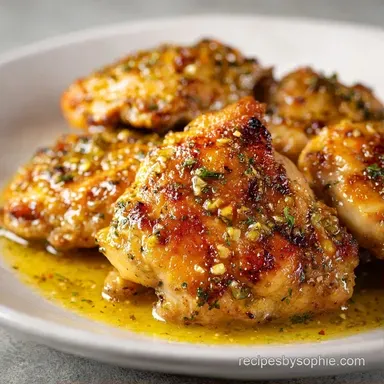
Boneless Garlic Chicken Thighs: Sticky and Glazed
- Time: 10 min active + 25 min cook
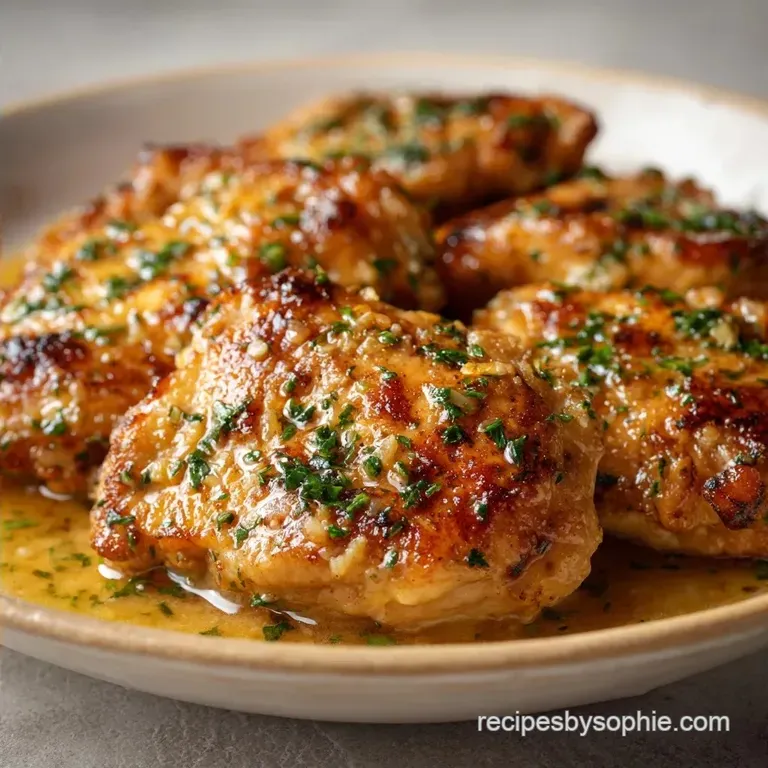
- Flavor/Texture Hook: Mahogany colored crust with a sticky, velvety glaze
- Perfect for: Weeknight dinner that tastes like a cheat meal
- Boneless Garlic Chicken Thighs
- Why This Dish Hits Different
- The Flavor Building Blocks
- The Essential Gear
- Step-by-Step Cooking Flow
- Avoiding Common Kitchen Pitfalls
- Easy Ingredient Swaps
- Adjusting the Batch Size
- Common Cooking Myths
- Storage and Reheating Guide
- Plating for the Wow
- Recipe FAQs
- 📝 Recipe Card
Boneless Garlic Chicken Thighs
That loud, aggressive sizzle when the meat hits the pan is the best part of my day. There is something about the smell of garlic hitting foaming butter that just tells your brain "dinner is sorted." I used to be obsessed with chicken breasts because that's what we were told was "healthy," but I spent years eating dry, rubbery meat that tasted like cardboard.
Then I switched to thighs, and honestly, I never looked back.
The trick is that thighs are way more forgiving. You can push them a bit further on the heat, and they still stay juicy. I remember the first time I tried to make a garlic glaze; I burned the garlic in about thirty seconds. It turned bitter and ruined the whole pan.
Now, I wait for the butter to foam before the garlic goes in, and it's a completely different experience.
If you're looking for a dinner that doesn't require a million pots and pans, this is it. We're talking about a single skillet, a few pantry staples, and about thirty five minutes of your time. You get that sticky, savory sweet coating that clings to the chicken, and the inside stays tender.
It's simple, but it hits every single taste bud.
Why This Dish Hits Different
The secret to this recipe isn't a fancy technique, but rather a few basic rules of heat and fat.
Fat Buffer: Butter carries the garlic flavor into every crevice of the meat, while the avocado oil prevents the butter from burning at high temperatures.
Acid Balance: The apple cider vinegar cuts through the honey and soy, stopping the glaze from feeling cloying or overly sugary.
Sugar Caramelization: Honey and soy sauce create a thick syrup that browns quickly, giving you that dark, glossy look.
Temperature Buffer: Unlike breasts, thighs have more connective tissue that breaks down into gelatin, meaning they stay moist even if you overcook them by a few minutes.
| Method | Time | Texture | Best For |
|---|---|---|---|
| Stovetop | 25 mins | Sticky & Seared | Fast weeknights |
| Oven | 40 mins | Tender & Even | Large batches |
| Air Fryer | 20 mins | Crispy edges | Low oil prep |
The Flavor Building Blocks
When you look at these ingredients, they seem basic, but they're doing a lot of heavy lifting. The salt and pepper aren't just for taste; they help draw moisture out of the surface of the meat, which is how we get that deep brown color.
If the chicken is wet when it hits the pan, it just steams, and you end up with grey meat. Not what we want.
The garlic is the star, but the honey and soy sauce act as the supporting cast. The soy provides the salt and "umami" depth, while the honey adds the viscosity. If you use a honey that's too thick, you might need a tiny splash of water to keep it from burning, but usually, the butter and soy keep it fluid enough.
| Ingredient | Science Role | Pro Secret |
|---|---|---|
| Avocado Oil | High smoke point | Keeps the pan from smoking your kitchen out |
| Honey | Thickening agent | Adds the glossy "restaurant" shine |
| Apple Cider Vinegar | pH Balance | Brightens the flavor and tenderizes the meat |
| Garlic | Aromatic | Add it late to avoid the bitter burnt taste |
The Essential Gear
You don't need a professional kitchen for this, but the pan matters. I always reach for my 12 inch cast iron skillet. Cast iron holds heat better than almost anything else, meaning when you drop the chicken in, the temperature doesn't plummet.
This is how you get that mahogany crust without the meat sticking to the pan.
If you don't have cast iron, a heavy stainless steel pan works too. Just avoid non stick if you can. Non stick pans can't handle the high heat needed for a proper sear, and they often prevent the "fond" those little brown bits stuck to the bottom from forming.
Those bits are where all the flavor lives, and they dissolve into your sauce at the end.
Step-by-step Cooking Flow
Let's get into the rhythm of it. This is a fast process once the pan is hot, so have your sauce ingredients measured and ready to go.
- Pat the chicken thighs completely dry with paper towels. Note: Moisture is the enemy of a good sear.
- Season both sides generously with 1 tsp kosher salt and 1/2 tsp cracked black pepper.
- Heat 1 tbsp avocado oil in your skillet over medium high heat until it shimmers.
- Add the thighs and sear for 5–7 minutes per side until they develop a deep, mahogany colored crust. Do not move them around; let them sit.
- Reduce the heat to medium. Push the chicken to the sides of the pan to create a hole in the center.
- Add 4 tbsp unsalted butter to that center spot. Once it foams, stir in 6 cloves of minced garlic and sauté for 1 minute until it smells fragrant but hasn't turned brown.
- Whisk in 2 tbsp honey, 1 tbsp low sodium soy sauce, and 1 tsp apple cider vinegar.
- Spoon the bubbling sauce over the chicken repeatedly for 2–3 minutes. Note: This "basting" process glazes the meat.
- Continue cooking until the internal temperature reaches 175°F (79°C). According to USDA Food Safety guidelines, poultry is safe at 165°F, but thighs actually taste better and have a more tender texture at 175°F.
Avoiding Common Kitchen Pitfalls
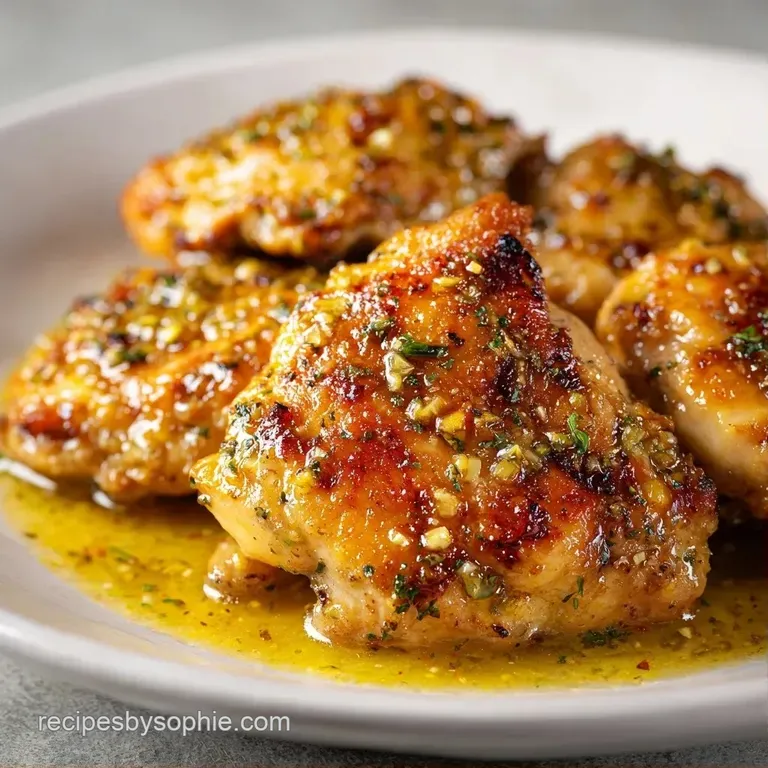
The most common issue I see with this recipe is "the grey chicken" syndrome. This happens when you crowd the pan. If you put too many thighs in at once, the temperature drops, the meat releases juice, and you're basically boiling your chicken in its own liquid. Work in batches if you have to.
Another big one is the garlic. Garlic burns fast. If you add it at the same time as the oil, it will be black and bitter by the time the chicken is done. Always add it toward the end, after you've lowered the heat.
Why Your Garlic Is Bitter
If your garlic tastes acrid, it's because it hit the high sear temperature of the oil. Garlic needs a gentler heat, which is why we use the butter as a buffer.
Why Your Sauce Is Too Thin
If the sauce isn't sticking to the meat, you might have used too much vinegar or your pan wasn't hot enough to reduce the honey. Let it bubble for an extra minute.
| Problem | Root Cause | Solution |
|---|---|---|
| Chicken sticks to pan | Pan not hot enough | Wait for oil to shimmer before adding meat |
| Sauce is burnt | Heat too high during glaze | Lower heat to medium before adding honey |
| Meat is tough | Overcooked or breast meat used | Use a meat thermometer and stick to thighs |
Mistakes Checklist:
- ✓ Did you pat the chicken dry?
- ✓ Is the garlic added only after the heat is lowered?
- ✓ Did you leave the chicken undisturbed during the first 5 minutes?
- ✓ Is your internal temp 175°F, not just 165°F?
Easy Ingredient Swaps
You can easily pivot this recipe depending on what's in your fridge. If you want something a bit more zesty, you can swap the apple cider vinegar for lemon juice. This turns it into Boneless Lemon Garlic Chicken Thighs, which feels a bit lighter.
For those who want a deeper sweetness, a teaspoon of brown sugar mixed with the honey works well. If you're avoiding soy, coconut aminos are a great alternative that keep the salty sweet vibe without the soy.
| Original Ingredient | Substitute | Why It Works |
|---|---|---|
| Honey (2 tbsp) | Maple Syrup (2 tbsp) | Similar sugar content. Note: Adds a woodsy, autumnal flavor |
| Soy Sauce (1 tbsp) | Coconut Aminos (1 tbsp) | Salty and savory. Note: Slightly sweeter and soy free |
| Avocado Oil (1 tbsp) | Grapeseed Oil (1 tbsp) | High smoke point. Note: Neutral taste, very similar result |
| Apple Cider Vinegar | Lemon Juice (1 tbsp) | Bright acidity. Note: Shifts flavor toward a Mediterranean profile |
If you're looking for more garlic heavy meals, you might love my One Pot Garlic Pasta as a side or a separate night's dinner.
Adjusting the Batch Size
When you're cooking for a crowd, don't just double everything in one pan. If you try to do 3 lbs of chicken in a 12 inch skillet, you'll get the steaming problem I mentioned earlier. Work in two batches. Sear the first half, set them aside on a plate, then sear the second half.
For the sauce, you don't need to double the liquids exactly. I usually find that 1.5x the sauce is plenty for 2x the meat. Liquids reduce differently in larger volumes, and you don't want the chicken swimming in a soup you want a glaze.
If you're cooking just two thighs, cut the butter and garlic in half, but keep the vinegar and soy roughly the same. Those small amounts provide the necessary chemical balance for the glaze to set.
Common Cooking Myths
You'll often hear that searing meat "seals in the juices." This is a total myth. Searing doesn't create a waterproof barrier; moisture actually escapes more easily from the surface during over high heat cooking. The reason we sear is for the flavor.
The browning creates complex compounds that make the meat taste savory and rich.
Another myth is that you have to let chicken "rest" for 20 minutes. While resting is huge for a whole roast or a steak, a few boneless thighs only need about 5 minutes. If you wait too long, the honey glaze will cool down and lose that glossy, flowing look.
Storage and Reheating Guide
These thighs keep surprisingly well in the fridge. Store them in an airtight container for up to 4 days. To reheat, avoid the microwave if you can it turns the chicken rubbery and makes the glaze tacky. Instead, put them back in a skillet over medium heat with a tiny splash of water or a knob of butter.
This loosens the sauce and warms the meat evenly.
If you want to freeze them, let them cool completely first. They'll last about 3 months in the freezer. When you're ready to eat, thaw them in the fridge overnight. Reheat them in the oven at 350°F (180°C) for about 15 minutes, covered with foil to keep the moisture in.
For zero waste, don't throw away the leftover glaze in the pan. I usually toss in a handful of baby spinach or some sliced mushrooms at the very end. They soak up all that garlic soy goodness and turn into a side dish in about 2 minutes. If you have extra sauce, it makes a killer base for a Chicken Sauce for 4 recipe if you stir in a bit of heavy cream.
Plating for the Wow
To make this look like it came from a bistro, don't just dump the chicken on a plate. Start with a bed of something absorbent mashed potatoes, steamed rice, or even a pile of sautéed kale. Place the thighs on top, slightly overlapping.
Pour the remaining pan sauce directly over the highest point of the chicken so it drips down the sides. Garnish with sliced green onions or a sprinkle of toasted sesame seeds for a bit of crunch and color. A final squeeze of fresh lemon juice right before serving cuts through the richness and makes the colors pop.
For the best pairings, I recommend something bright to contrast the heavy garlic butter. A simple arugula salad with a lemon vinaigrette or some roasted carrots work beautifully. If you're doing a carb heavy side, a creamy polenta is the way to go; it catches every drop of that honey soy glaze.
Recipe FAQs
What is the best way to prepare boneless, skinless chicken thighs?
Sear them in a hot cast iron skillet. Pat the meat dry and use avocado oil over medium high heat to achieve a mahogany crust before adding the glaze.
Are chicken thighs good for diabetics?
Yes, but monitor the honey content. Chicken thighs are an excellent protein source, though the honey in this glaze adds sugars that may affect glucose levels.
Can I eat chicken thighs with IBS?
It depends on your triggers. While the chicken is safe, the minced garlic in the sauce can be a trigger for those sensitive to FODMAPs.
Is it better to bake boneless chicken thighs at 350 or 400?
Neither, sear them for the best result. This recipe uses a skillet to reach an internal temperature of 175°F, ensuring a deep crust that baking cannot replicate.
How to cook a garlic butter chicken recipe?
Brown the meat before adding butter. After searing the thighs in avocado oil, melt butter in the center of the pan to sauté the minced garlic.
What's the best recipe for creamy garlic chicken?
Follow a different sauce preparation. This specific recipe is a honey soy glaze, but you can find a rich alternative in our creamy garlic chicken.
How to cook keto chicken with a creamy garlic sauce?
Omit the honey from the glaze. Removing the sugar makes the dish compatible with a keto diet while maintaining a rich, savory profile.
Boneless Garlic Chicken Thighs in 28 Min