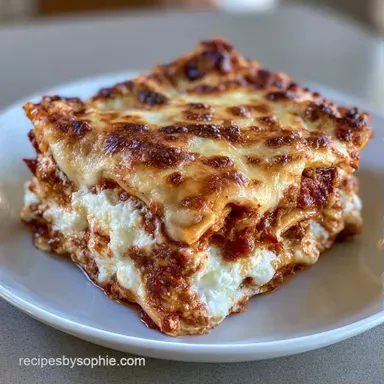
Recipe for Lasagna with Ricotta Cheese with Ground Beef
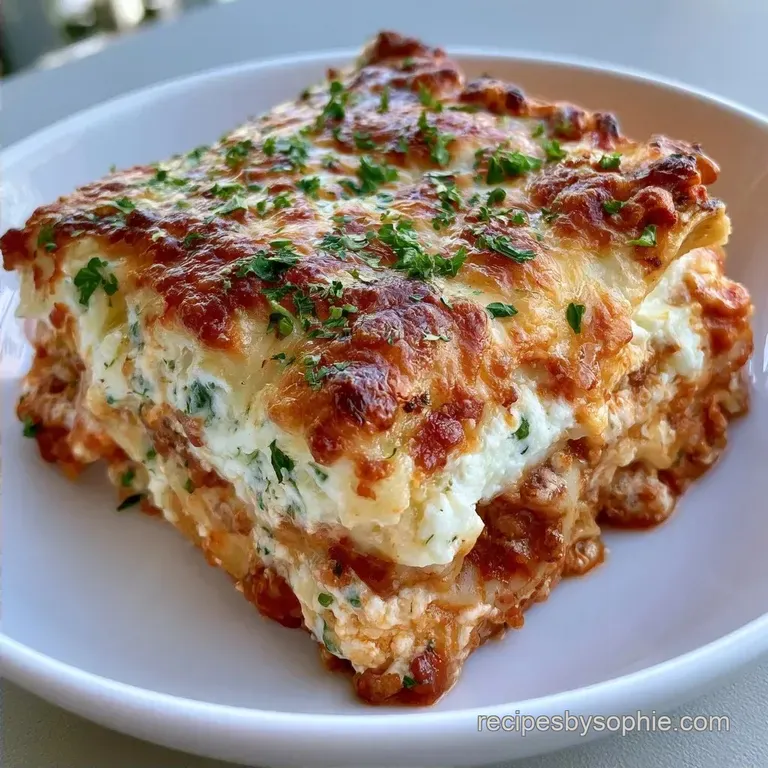
- Time:20 mins active + 45 mins baking
- Flavor/Texture Hook: Rich, cheesy layers with a creamy ricotta core
- Perfect for: Family Sunday dinners or meal prep
Recipe for Lasagna with Ricotta Cheese
The smell of browning beef and garlic hitting a hot pan is where the magic starts. For me, this dish is all about the ricotta. Most people treat it as a filler, but when you season it right, it becomes the heart of the meal.
I used to spend an hour boiling noodles only to have them stick together in a gummy clump. Switching to no boil sheets changed everything. This Recipe for Lasagna with Ricotta Cheese relies on the moisture from the sauce to cook the pasta, which means the noodles actually taste like the sauce instead of plain water.
Expect a dish that holds its shape when you cut it, with a top layer of mozzarella that bubbles and browns in the oven. It's a hearty, comforting meal that doesn't require you to spend your entire afternoon in the kitchen.
How to Actually Nail This
The Sauce Fluidity: No boil noodles need extra liquid to hydrate. Keeping the meat sauce fluid rather than a thick paste ensures the pasta cooks through without hard edges.
The Egg Binder: Adding a beaten egg to the ricotta prevents the cheese from leaking out of the layers. It sets during the bake, which is what lets you get those clean, square slices.
Two Stage Heat: Baking covered for the first 30 mins traps steam to cook the noodles. Removing the foil for the last 15 mins allows the moisture to evaporate and the cheese to brown.
Serious Eats' testing suggests that ensuring sauce covers every single edge of the noodle is the only way to avoid dry corners. If you love this creamy profile, you might also enjoy my stuffed shells recipe which uses a similar cheese blend.
| Method | Time | Texture | Best For |
|---|---|---|---|
| No Boil (Fast) | 65 mins | Tighter, cohesive | Weeknights |
| Traditional (Boil) | 90 mins | Looser, softer | Old school taste |
Shopping List Breakdown
The ricotta is the hero here. I use whole milk ricotta because the higher fat content creates a velvety mouthfeel that doesn't break down under high heat. low-fat versions often turn grainy or watery, which ruins the structure of the Recipe for Lasagna with Ricotta Cheese.
For the sauce, 80/20 ground beef provides the necessary fat to carry the flavor of the oregano and garlic. If you use too lean a meat, the sauce can feel flat and dry.
- 3 cloves garlic, minced (Substitute
- 1 tsp garlic powder)
- 2 tbsp tomato paste (Substitute
- extra crushed tomatoes)
- 1 tsp dried oregano (Substitute
- Italian seasoning)
- 2 tbsp olive oil (Substitute
- vegetable oil)
Ricotta Blend Ingredients 425g whole milk ricotta cheese Why this? Creamy base and structural heart 1 large egg, lightly beaten (Substitute: 1 tbsp cornstarch slurry) 60g grated Parmesan cheese (Substitute: Pecorino Romano) 1/4 cup fresh parsley, finely chopped
(Substitute: dried parsley) 1/4 tsp ground nutmeg Why this? Adds a subtle, nutty depth 1/2 tsp salt
Assembly Ingredients 9-12 no boil lasagna noodles (Substitute: traditional boiled sheets) 340g shredded mozzarella cheese, low moisture Why this? Prevents excess water release
Equipment Needed
You don't need a fancy setup, but a few specific tools make the Recipe for Lasagna with Ricotta Cheese much easier to assemble.
- Large Skillet: A 12 inch pan is best so the beef browns instead of steaming in its own juices.
- Medium Mixing Bowl: For whisking the ricotta and egg together.
- 9x13 inch (23x33 cm) Baking Dish: A deep ceramic or glass dish works best for heat distribution.
- Aluminum Foil: Necessary for the first stage of baking to trap steam.
- Spatula: To spread the ricotta evenly without tearing the noodles.
Step-by-step Instructions
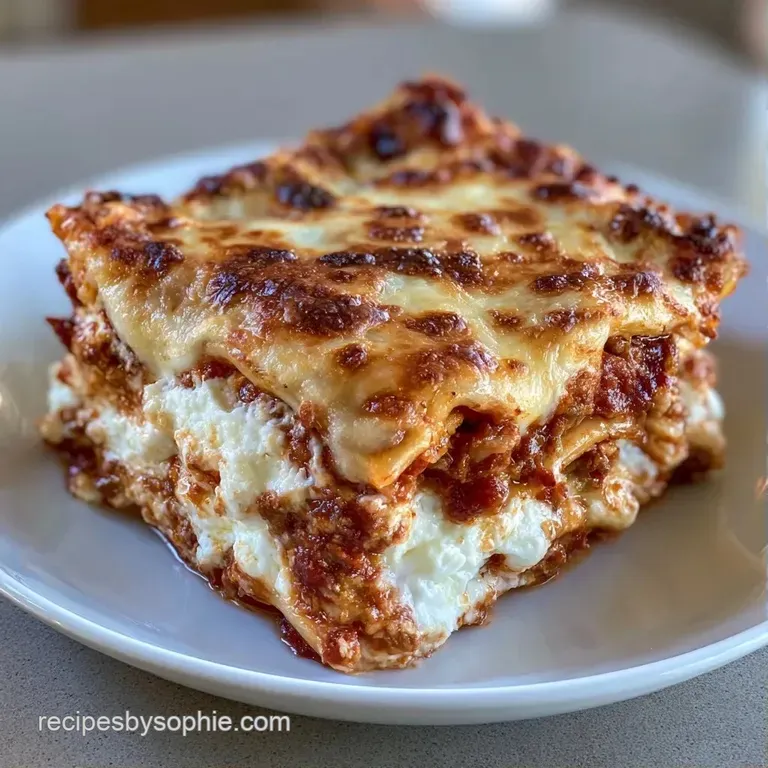
The process is straightforward: prepare the sauce, blend the cheese, layer the ingredients, and bake. Start with the sauce on the bottom to ensure the bottom noodles don't stick.
Phase 1: Sautéing and Simmering
- Warm olive oil in a heavy pan over medium high. Brown the ground beef until no longer pink.
- Stir in the garlic and diced onion; sauté until onions are translucent and fragrant.
- Mix in the crushed tomatoes, tomato paste, sugar, and oregano.
- Simmer on low for 10-15 minutes until the sauce is thick but still fluid. Season with salt and pepper. Note: If the consistency is too thick, add a splash of water to help the noodles absorb it.
Phase 2: The Creamy Blend
- In a medium bowl, combine the ricotta, beaten egg, Parmesan, salt, nutmeg, and chopped parsley.
- Stir vigorously until the mixture is a smooth, cohesive paste.
Phase 3: Strategic Layering
- Spread 120ml (1/2 cup) of the meat sauce across the base of the baking dish.
- Arrange 3-4 noodles over the sauce. Spread 1/3 of the ricotta blend over the noodles, followed by 1/3 of the meat sauce and a handful of mozzarella.
- Repeat this sequence of noodles, ricotta, sauce, and mozzarella two more times.
- Complete the dish with a final layer of noodles. Cover them entirely with the remaining meat sauce and top with the remaining mozzarella cheese.
Phase 4: The Two Stage Bake
- Cover with aluminum foil and bake at 180°C (350°F) for 30 minutes.
- Remove the foil and bake for another 15 minutes until the cheese is browned and bubbling.
What Can Go Wrong (and How to Fix It)
When making the Recipe for Lasagna with Ricotta Cheese, the biggest enemy is uneven moisture. If you notice the edges of your lasagna are hard or crunchy, it's usually because the sauce didn't reach the very edge of the pan. Always overlap your sauce onto the noodles.
Another common issue is the "slide." This happens when the lasagna doesn't set and the layers slide apart when sliced. This is usually caused by using high moisture fresh mozzarella or skipping the egg in the ricotta. Stick to low moisture shredded cheese for the best structural integrity.
| Problem | Root Cause | Solution |
|---|---|---|
| Hard noodle edges | Sauce didn't cover edges | Spread sauce over every corner |
| Watery layers | High moisture cheese | Use low moisture mozzarella |
| Lasagna slumping | No binder in ricotta | Add 1 beaten egg to the cheese |
Mix It Up
This Recipe for Lasagna with Ricotta Cheese is simple to customize depending on your preferences. For an extra vegetable boost, fold 200g of sautéed spinach into the ricotta mixture; its earthy flavor balances the creamy cheese perfectly.
To create a leaner version, substitute the ground beef with ground chicken or turkey. Just add an extra pinch of salt and a teaspoon of Worcestershire sauce to compensate for the reduced fat.
| Goal | What to change |
|---|---|
| More protein | Add 200g extra beef |
| Lighter feel | Swap half ricotta for cottage |
| Extra chew | Use boil first noodles |
If you're hosting a party and want a dessert that echoes these creamy Italian flavors, a ricotta cheesecake is an ideal option.
Keeping It Fresh
This Recipe for Lasagna with Ricotta Cheese actually tastes better the next day. The flavors meld together, and the structure firms up in the fridge.
Storage Guidelines Store leftovers in a shallow container with a tight lid. It stays good in the fridge for 4 days. If you want to freeze it, I recommend freezing it unbaked. Wrap the dish tightly in plastic wrap and then foil; it lasts 3 months in the freezer.
Zero Waste Tips Don't toss the leftover ricotta if you have some. Mix it with a bit of honey and lemon zest for a quick breakfast toast topping. Any leftover meat sauce can be used as a base for a quick shakshuka or used as a dipping sauce for garlic bread.
Pairing Ideas
Since the Recipe for Lasagna with Ricotta Cheese is quite heavy, you need sides that provide a sharp contrast. A crisp arugula salad with a lemon vinaigrette works best because the acidity cuts through the fat of the mozzarella and ricotta.
Garlic bread is a classic, but try brushing your baguette with garlic butter and a sprinkle of red pepper flakes for a bit of heat. For a drink, a medium bodied red wine like a Chianti or a simple sparkling water with lime keeps the palate refreshed between bites.
Recipe FAQs
What is the secret to the best lasagna?
Spread meat sauce on the bottom first. This prevents the bottom noodles from sticking to the baking dish.
Do you add eggs to ricotta when making lasagna?
Yes, include one beaten egg. It binds the cheese together so the layers stay stable after slicing.
Which mixture works best for the ricotta?
Combine ricotta, Parmesan, egg, parsley, nutmeg, and salt. Stirring these vigorously creates a smooth, cohesive paste.
How to layer the lasagna for best results?
Spread 1/2 cup of meat sauce on the bottom. Then follow a sequence of noodles, ricotta, sauce, and mozzarella.
What ingredients elevate the ricotta cheese?
Mix in Parmesan, fresh parsley, and ground nutmeg. These additions provide a depth of flavor that cuts through the richness.
Why use ricotta instead of just mozzarella?
It provides a creamy, light contrast to the savory meat sauce. If you enjoyed balancing rich and creamy textures here, see how we apply similar contrast in our lemon dessert bars.
Is it true that no-boil noodles must be pre-cooked to soften?
No, this is a common misconception. They absorb moisture from the sauce during the 45-minute bake time.
Does adding ricotta make the layers too watery?
That's a myth. The addition of a beaten egg stabilizes the mixture to maintain a firm and creamy texture.
Lasagna With Ricotta Cheese