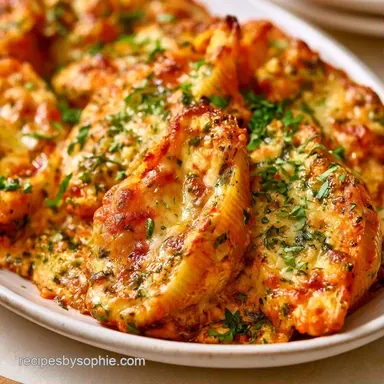
High-Protein Cottage Cheese Squash Marinara

- Time: 15 min active + 45 min cooking
- Flavor & Texture: Creamy, savory, and cheesy
- Perfect for: Low-carb weeknight dinner
The biggest fail with spaghetti squash is usually the texture. It often ends up as a watery, bland pile of strings that doesn't hold onto sauce, leaving you with a soup of vegetables.
By blending the cheese directly into the sauce and roasting the squash cut-side down, this cottage cheese squash marinara fixes those issues. You get a thick, creamy coating that actually clings to the squash.
Expect a meal that feels like a decadent lasagna but uses a nutrient-dense vegetable base. It's a heavy hitter on protein and light on the effort.
Cottage Cheese Squash Marinara
This dish relies on high heat to roast the squash and a high-speed blender to transform the cheese. It's a great way to get more protein into a veggie-heavy meal.
What You'll Need
| Ingredient | Role | If You Don't Have It |
|---|---|---|
| Spaghetti squash | Nutrient-dense base | Zucchini (will be waterier) |
| Cottage cheese | Protein and creaminess | Ricotta (heavier, less protein) |
| Marinara sauce | Flavor and acidity | Tomato puree plus dried herbs |
The Grocery List
- 3 lb spaghetti squash
- 1 tbsp olive oil
- 1/2 tsp sea salt
- 1/4 tsp cracked black pepper
- 2 cups low-fat cottage cheese Why this? Provides a massive protein boost without heavy fats
- 2 cups low-sugar marinara sauce Why this? Keeps the sugar low while providing a zesty base
- 1 tsp garlic powder
- 1 tsp dried Italian seasoning
- 1/2 tsp onion powder
- 1 cup shredded part-skim mozzarella
- 1/4 cup fresh basil leaves
Essential Tools
While no professional setup is required, a high-speed blender is the key to getting the texture right. Using a food processor instead may leave behind small curds. Aside from that, the only essentials are a standard baking sheet and a sharp knife for the squash.
Key Cooking Steps
Phase 1: Preparing the Squash
- Warm the oven to 400°F (200°C).
- Cut the spaghetti squash in half lengthwise and clear out the seeds.
- Coat the inside with 1 tbsp olive oil, then season with 1/2 tsp sea salt and 1/4 tsp cracked black pepper.
- Roast cut-side down on a baking sheet for 35–40 minutes until the skin is a deep golden brown hue and a knife glides through the flesh with no resistance.

- Scrape the inner flesh with a fork to create spaghetti-like strands.
Phase 2: Blending the Protein Sauce
- Combine 2 cups low-fat cottage cheese, 2 cups low-sugar marinara sauce, 1 tsp garlic powder, 1 tsp dried Italian seasoning, and 1/2 tsp onion powder in a high-speed blender.
- Blend on high for 60–90 seconds until the sauce is a smooth, coral-colored cream without any visible curds remaining.

Phase 3: The Final Bake
- Transfer the blended sauce to a large bowl and fold in the shredded squash strands until thoroughly coated.
- Scoop the mixture back into the squash shells or into a casserole dish.

- Sprinkle 1 cup shredded part-skim mozzarella evenly across the top.
- Broil on high for 3–5 minutes until the cheese is bubbly and has developed golden-brown charred spots.
- Garnish with 1/4 cup fresh basil leaves chiffonade before serving.
The Logic Behind It
Making cottage cheese squash marinara work comes down to moisture and texture.
- Cut-Side Roasting: Roasting the squash face down lets excess steam escape. This helps keep the strands from getting soggy.
- High-Speed Blending: Blending the cottage cheese breaks the curd structure. It creates a velvety sauce that mimics heavy cream.
Problems and Solutions
If your sauce looks a bit separated, it's usually because the cottage cheese was too cold when blending. Let it sit for a few minutes and pulse again.
Watery Squash Strands
Sometimes the squash releases water after you scrape it. If the bowl looks like a puddle, pat the strands gently with a paper towel before adding the sauce.
Grainy Sauce Texture
If you can still see lumps of cheese, your blender needs more time. Keep it running for another 30 seconds to get that smooth finish.
Cheese Not Browning
Depending on your oven, the broil setting can be weak. Move your rack to the top position to get those charred spots faster.
| Problem | Fix |
|---|---|
| Soggy squash | Roast cut-side down; pat dry |
| Lumpy sauce | Blend for a full 90 seconds |
| Pale cheese | Move rack higher during broil |
Storage and Freshness
Keeping your cottage cheese squash marinara fresh is easy. Store leftovers in a sealed glass dish in the fridge for 4 days.
To reheat, use the oven at 350°F (175°C) for 10–15 minutes. I avoid the microwave here because it can make the squash strands overly soft and mushy. This dish doesn't freeze well. The blended cheese changes texture and the squash releases too much water when thawing.
When reheating cooked leftovers, check with a food thermometer that the centre reaches 165°F (74°C); the appliance temperature and time alone do not confirm this.
Creative Recipe Swaps
If you love this cottage cheese squash marinara, you can easily tweak the flavors. For a spicy kick, stir in a teaspoon of crushed red pepper flakes to the blender. If you want more greens, fold in a handful of fresh baby spinach before the final bake.
For those looking for more high-protein ideas, you might like this baked chicken squash recipe for a different protein hit.
| Original Ingredient | Substitute | Why It Works |
|---|---|---|
| low-fat Cottage Cheese | Ricotta Cheese | Similar texture. Note: Higher calorie count and lower protein |
| Part-skim Mozzarella | Parmesan Cheese | Adds a sharper, saltier flavor. Note: Less stretch/pull |
| Fresh Basil | Dried Oregano | Similar herbal profile. Note: Add during blending, not as a garnish |
Serving Suggestions

I like to serve this with a side of roasted broccoli or a simple green salad. Since the dish is already quite creamy, a squeeze of fresh lemon juice over the top right before eating cuts through the richness. If you want a bit of crunch, toasted pine nuts make a great topper alongside the basil.
Good to Know
How do I bake spaghetti squash?
Set your oven to 400°F (200°C). Place the seasoned squash face-down on a baking tray and roast for 35–40 minutes.
Can you prevent the squash from being crunchy?
Roast the squash until a knife slides into the flesh with zero resistance. This indicates the interior is fully tender and ready to scrape.
Is it possible to cook spaghetti squash whole?
Roast it uncut, although this increases cooking time and makes scraping the strands more difficult. Cutting it in half allows for faster, more even heat penetration.
What is the best way to eat spaghetti squash?
Serve it folded into a creamy sauce and baked in the original shell for a beautiful presentation. If you enjoy blending creamy cheeses into pasta, you might like this vegetable pasta.
How long does this dish stay fresh?
Store leftovers in a sealed glass dish in the refrigerator for 4 days. To preserve the texture, heat for 10–15 minutes in a 350°F (175°C) oven.
Why should I avoid the microwave for reheating?
Microwaving can make the squash strands overly soft and mushy. Using the oven preserves the structural integrity of the squash. When reheating cooked leftovers, check with a food thermometer that the centre reaches 165°F (74°C); the appliance temperature and time alone do not confirm this.
Creamy Cottage Cheese Squash Marinara