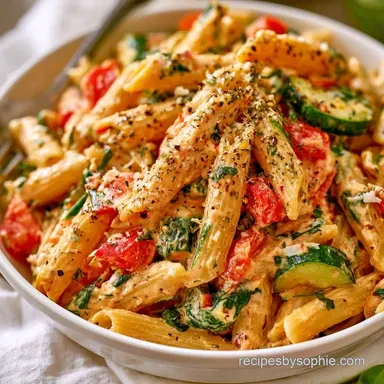
Failure-Proof Ricotta Vegetable Pasta
- Prep/Cook: 10 min active and 20 min cooking
- Taste & Feel: Zesty citrus and charred vegetables paired with a velvety cheese sauce
- Best for: Busy weeknights or a nutritious vegetarian meal prep
Sizzle. That's the sound of zucchini meeting shimmering olive oil in a wide pan. I used to struggle with "healthy" pastas that felt like a burden to eat mostly steamed vegetables and a hint of oil that left me starving shortly after. It felt as though I were eating wet cardboard.
Then I began experimenting with ricotta. I found that using the cheese as an emulsified base, rather than just a topping, changes the entire experience. This Ricotta Vegetable Pasta is the product of those Tuesday night trials where I craved something indulgent that wouldn't lead to a food coma.
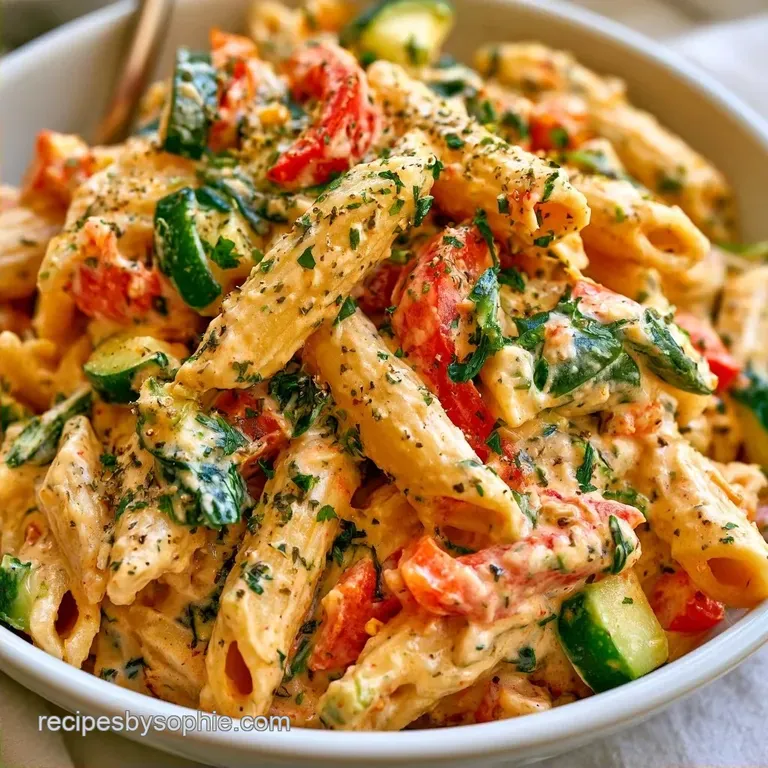
The result is a plate that's vibrant, salty, and truly filling. The lemon zest balances the richness of the cheese, and the blackened edges of the peppers add a hint of smokiness. It’s a low-effort meal that looks like it took an hour of careful preparation.
Easy Ricotta Vegetable Pasta Guide
Pasta Water: The cloudy water you boil the noodles in contains starch. When whisked into the cheese, it acts as a binder so the sauce doesn't separate.
High Heat Sear: Sautéing the vegetables quickly over medium high heat prevents them from releasing too much water. This stops the Ricotta Vegetable Pasta from becoming a soup.
Lemon Acidity: Fresh lemon juice breaks down the heavy fats in the whole milk ricotta. This makes the final dish taste lighter and fresher.
| Method | Time | Texture | Best For |
|---|---|---|---|
| Fast Sauté | 30 mins | Bright & Crisp | Busy weeknights |
| Roasted | 60 mins | Deep & Sweet | Sunday dinners |
Ingredient Deep Dive
I've found that using whole milk ricotta is non negotiable here. low-fat versions often grain up when they hit the pan, which ruins the vibe. If you're worried about the calories, just add more spinach to bulk it out.
| Ingredient | What It Does | Best Swap |
|---|---|---|
| Ricotta | Creates the creamy base | Cottage cheese (blend first) |
| Penne Pasta | Holds the sauce in ridges | Fusilli or Rigatoni |
| Zucchini | Adds freshness and bulk | Yellow squash |
| Lemon | Adds brightness and zest | Lime (for a twist) |
Honestly, don't even bother with pre shredded Parmesan. The stuff in the green can or the pre grated bags has cellulose to prevent clumping, which stops it from melting into the sauce. Grate your own block for a much smoother result.
Recipe Specs
This Ricotta Vegetable Pasta serves 4 people. I've timed this a dozen times, and it consistently hits the 30 minute mark if you have your vegetables chopped before the water starts boiling.
For those tracking numbers, USDA FoodData Central shows that ricotta is a great source of whey protein, which makes this a solid vegetarian main.
Gear You Need
You only need two main pieces of equipment. A large pot for the pasta and a wide skillet for the vegetables. Using a wide pan is key because it gives the zucchini and peppers enough room to brown instead of steaming in their own juices.
I use a stainless steel skillet, but a non stick one works just as well. If you have a whisk, keep it handy for the sauce emulsion.
Step by step Process
Phase 1: The Vegetable Sear
- Heat 2 tbsp olive oil in the skillet over medium high. Add diced zucchini and red bell peppers. Sauté without stirring too often until the edges are golden brown and slightly charred.
- Add minced garlic and 1/2 tsp red pepper flakes. Cook for 60 seconds until the aroma is pungent and nutty.
- Stir in the baby spinach just until it wilts. Remove all vegetables from the pan and set them aside on a plate. Note: This keeps the veg from overcooking while you finish the pasta.
Phase 2: The Pasta Boil
- Bring a large pot of water with 1 tbsp salt to a rolling boil. Add 1 lb of penne or fusilli.
- Cook according to the package directions until al dente.
- Scoop out 1/2 cup of the cloudy pasta water and set it aside before draining the noodles. Note: This is the most important step for the sauce texture.
Phase 3: The Ricotta Emulsion
- In a small bowl, whisk the ricotta, Parmesan, lemon juice, lemon zest, salt, and black pepper.
- Gradually whisk in 1/4 cup of the reserved pasta water until the mixture is smooth and pourable.
Phase 4: The Final Fold
- Return the sautéed vegetables to the skillet over low heat.
- Add the cooked pasta and pour the ricotta mixture over the top. Gently toss everything together for 1-2 minutes until every noodle is coated.
Chef's Note: If you want a deeper flavor, add a pinch of nutmeg to the ricotta mix. It's a classic Italian trick that makes the cheese taste richer without adding more fat.
Fixing Common Issues
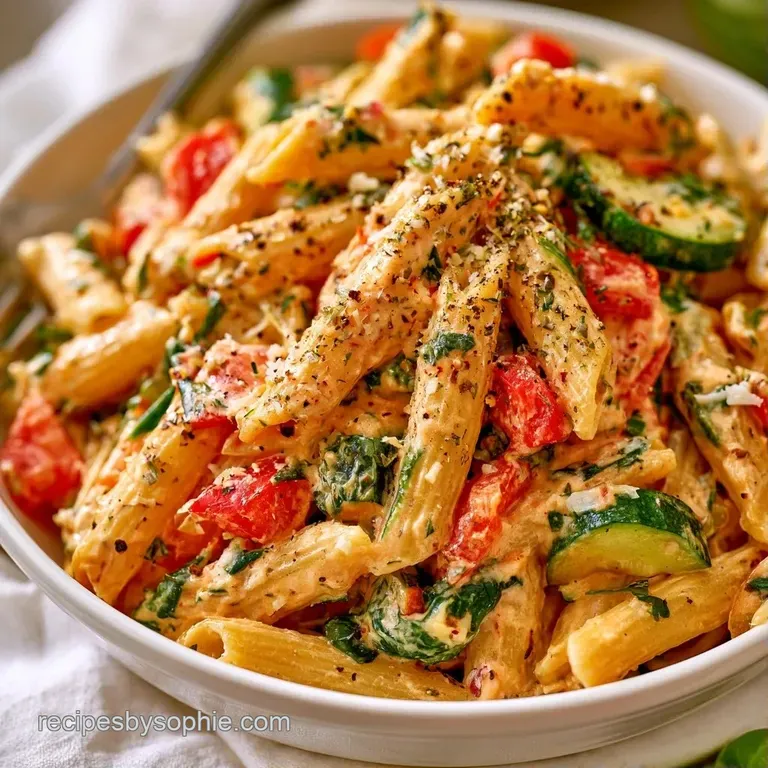
The most common problem is a sauce that feels too thick or "clumpy." This usually happens if the pasta water wasn't incorporated well or if the pan was too hot when the cheese went in. Since ricotta isn't a traditional melting cheese like mozzarella, it needs that liquid bridge to stay smooth.
If your vegetables turned out mushy, you likely stirred them too much. Let them sit against the hot metal for a few minutes to get that brown crust.
For more ideas on working with ricotta, you might like this baked ricotta pasta which uses a different heat method.
| Problem | Fix |
|---|---|
| Sauce is too thick | Add reserved pasta water 1 tbsp at a time |
| Vegetables are mushy | Increase heat and stir less often |
| Sauce tastes flat | Add an extra squeeze of lemon juice |
Saving and Storage
Place any remaining portions in an airtight container and keep refrigerated for no more than 3 days. Since the pasta absorbs the sauce over time, it may appear slightly dry upon opening.
When reheating, stir in a bit of milk or water before popping it in the microwave. This restores the creaminess of the ricotta. I'd avoid freezing this particular Ricotta Vegetable Pasta, as the cheese can separate and turn grainy when thawed.
To minimize waste, collect your pepper and zucchini trimmings in a freezer safe bag. Once you have a full bag, simmer them with a bay leaf and water to create a simple vegetable stock for future soups.
Best Side Dish Pairings
While this dish is filling on its own, a fresh side can cut through the creaminess. Peppery arugula tossed in a bright lemon dressing works perfectly, mirroring the citrus flavors in the pasta.
If you are serving a group, add some garlic bread to the menu. Toast a crusty baguette and rub a raw garlic clove across the surface for a bold, savory kick.
Different Ways to Make It
For a Tomato Ricotta Pasta, stir in two tablespoons of tomato paste when you add the garlic. This gives the sauce a pink hue and a more savory, concentrated taste.
If you want a different pasta shape for this Ricotta Vegetable Pasta, you could try making ricotta cavatelli from scratch. The ridges of the cavatelli are even better at catching the creamy sauce.
For those wanting more protein, toss in some grilled chicken or chickpeas during the final fold.
| Premium Option | Budget Option | Impact | Savings |
|---|---|---|---|
| Fresh Parmesan | Grated Pecorino | Saltier, sharper taste | $2-3 per bag |
| Pine Nuts | Sunflower Seeds | Similar crunch, nuttier | $4-6 per oz |
| Organic Spinach | Frozen Spinach | Slightly less fresh | $1-2 per pack |
Right then, let's look at some shortcuts. For a faster prep, you can use pre cut frozen stir fry vegetables, though you'll lose some of the charred flavor.
For a specific goal:
- For a thinner sauce: whisk in 1/2 cup of pasta water instead of 1/4 cup.
- For more heat: double the red pepper flakes to 1 tsp.
- For a nuttier taste: brown the butter before adding the vegetables.
Debunking Kitchen Myths
You might hear that you need to add heavy cream to make a ricotta sauce "creamy." This is just not true. The starch in the pasta water is enough to create a smooth bond between the cheese and the pasta.
Another common idea is that searing vegetables locks in nutrients. Searing is actually about flavor. It creates a browned crust that tastes better, but the nutrients are mostly preserved regardless of whether you sauté or steam.
Scaling This Recipe
When making a half batch of Ricotta Vegetable Pasta, use a smaller skillet so the vegetables don't spread too thin and burn. Reduce the cooking time for the vegetables by about 20% since there's less mass in the pan.
If you're doubling the recipe for a party, don't double the salt and red pepper flakes. Start with 1.5x the amount and taste as you go. For the liquids, reduce the total pasta water by about 10% to prevent the sauce from becoming too runny in a large pot.
Work in batches when searing the vegetables. If you crowd the pan with 2 lbs of zucchini and peppers, they will steam instead of brown, and you'll lose those charred edges.
This Ricotta Vegetable Pasta is a reliable win. It's fast, uses minimal tools, and tastes like something from a bistro. Trust me on the pasta water, and you'll have a great dinner on the table in 30 minutes.
Recipe FAQs
Is it true that ricotta cheese only works in baked dishes?
No, and here's why. Its creamy texture creates a light, fresh sauce that is perfect for stovetop pasta.
How to achieve a smooth ricotta emulsion?
Whisk in the reserved pasta water gradually. This blends the cheese and lemon juice into a pourable consistency.
Which vegetables are best for this pasta?
Zucchini and red bell peppers provide the best flavor and char. You can apply the same savory cheese pairing in our savory ricotta toast.
What pasta shape should I use?
Penne or fusilli work best here. The ridges and hollow centers capture the ricotta emulsion and small vegetable pieces.
Ricotta Vegetable Pasta