Creamy Ricotta Mac and Cheese in 25 Minutes
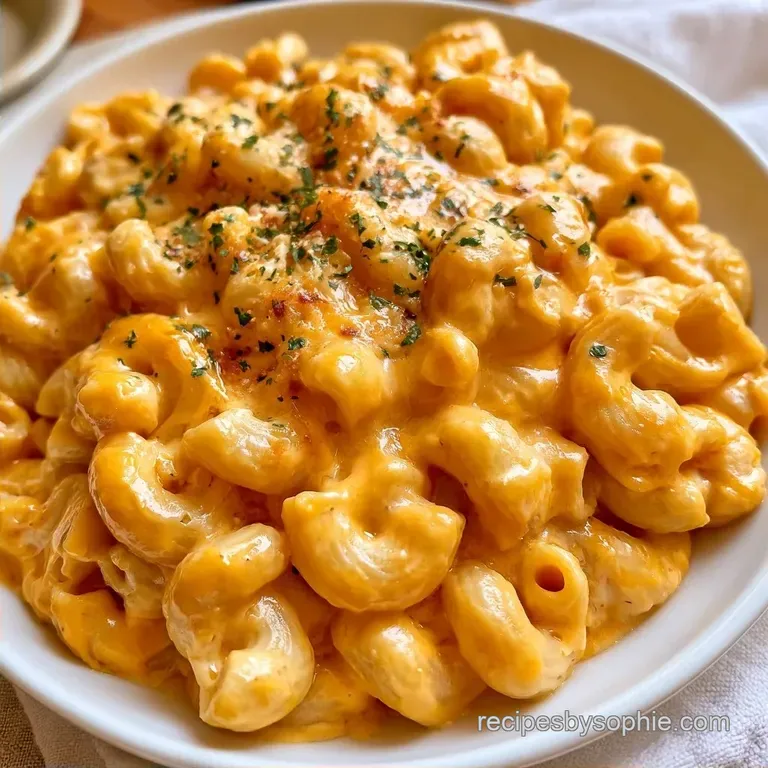
- Time: 10 min active + 15 min cook
- Flavor/Texture Hook: Glossy, rich sauce with a light, airy lift
- Best for: Weeknight dinners or a quick comfort craving
Ricotta Mac and Cheese
The smell of melted cheddar hitting a hot pot of pasta is enough to make anyone hungry. I used to struggle with traditional mac and cheese because the roux often clumped or turned out too thick, leaving me with a block of pasta rather than a creamy dish.
I wanted that rich feeling but without the heavy, starchy weight that usually comes with a flour based sauce.
This Ricotta Mac and Cheese swaps the butter flour paste for whole milk ricotta. It creates a texture that feels light and airy yet still hits all those savory notes. It's essentially a cheat code for comfort food that tastes like it took hours but actually comes together in under 30 minutes.
You can expect a dish where the sauce clings to every curve of the noodle. It's not a soup, and it's not a brick. It's a balanced, cheesy pasta that stays creamy even as it cools down on the plate.
Why This Blend Works
- Ricotta as a Binder: Ricotta acts as a natural emulsifier, meaning it holds the fats and liquids together without needing flour. This keeps the sauce from breaking or separating.
- Starchy Water: Using the reserved pasta water helps the cheese stick to the noodles. If you're feeling fancy, you can even use homemade ricotta for a fresher, brighter tang.
- Residual Heat: Folding the cheese into steaming pasta allows the cheddar to melt gently. This prevents the sauce from becoming oily.
| Method | Time | Texture | Best For |
|---|---|---|---|
| Ricotta Base | 25 mins | Airy and glossy | Weeknights |
| Classic Roux | 45 mins | Dense and heavy | Holiday bakes |
What's in the Pot
For the Pasta
- 1 lb (450g) cavatappi or elbow macaroni Why this? Spirals catch more sauce in the grooves
- 1 tbsp (15ml) salt Why this? Seasons the pasta from the inside out
For the Creamy Ricotta Sauce
- 15 oz (425g) whole milk ricotta cheese Why this? Provides the creamy, light structure
- 1 ½ cups (170g) sharp cheddar cheese, freshly shredded Why this? Freshly grated melts smoother than bagged
- ½ cup (120ml) whole milk Why this? Adjusts the final thickness
- 2 tbsp (30g) unsalted butter, melted Why this? Adds a rich, glossy finish
- 1 tsp (5g) garlic powder Why this? Adds a savory baseline
- ½ tsp (3g) onion powder Why this? Deepens the flavor profile
- ¼ tsp (1g) smoked paprika Why this? Gives a subtle, wood fired hint
For the Finishing Touches
- salt to taste
- black pepper to taste
- 2 tbsp (8g) fresh parsley, chopped Why this? Cuts through the richness
| Ingredient | What It Does | Best Swap |
|---|---|---|
| Whole Milk Ricotta | Creates the airy base | Full fat cottage cheese (blend first) |
| Sharp Cheddar | Adds bold, salty flavor | Gruyère or Extra Sharp White Cheddar |
| Whole Milk | Thins the sauce | Heavy cream for more richness |
| Smoked Paprika | Adds earthy depth | Ground nutmeg for a classic vibe |
Kitchen Gear Needed
You don't need a massive arsenal for this. A large pot for the pasta and a big mixing bowl for the sauce are the main requirements. I prefer a whisk for the ricotta mixture to get rid of any lumps before the cheddar goes in.
A fine mesh strainer is a must for the pasta, but make sure you have a measuring cup handy to snag that pasta water before you dump it all. If you're using a block of cheese, a box grater or a food processor will save you a lot of time.
Step by step Cooking

- Fill a large pot with water, add 1 tbsp salt, and bring to a rolling boil.
- Add the pasta and cook until al dente, which is usually 1-2 minutes less than the box says.
- Scoop out ½ cup (120ml) of the starchy pasta water. Note: Do this right before draining so the water is hot and concentrated.
- Drain the pasta in a colander and set it aside.
- In a large bowl, whisk the ricotta, melted butter, garlic powder, onion powder, and smoked paprika. Whisk until the mixture is smooth and pale.
- Stir the shredded cheddar into the ricotta blend until it's fully mixed.
- Dump the steaming hot pasta directly into the bowl. Note: The heat from the noodles is what melts the cheese.
- Add the milk or reserved pasta water one tablespoon at a time. Stir gently until the sauce becomes a silky glaze that coats the pasta.
- Add salt and black pepper to taste.
- Sprinkle the chopped parsley over the top and serve immediately.
Fixing Common Sauce Issues
The biggest hurdle with this recipe is the temperature. If your ricotta is ice cold and your pasta has cooled down, the cheddar won't melt, and you'll end up with little clumps of cheese. Trust me, I've done it. The goal is to keep the pasta steaming so the sauce emulsifies instantly.
Another issue is the thickness. Depending on how much you drain your pasta, the sauce might feel too thick. This is where the reserved water comes in. It's a natural bridge between the fat in the cheese and the starch in the pasta.
Fixing Grainy Sauce
Graininess usually happens when cheese is overheated or "breaks," causing the fats to separate. Since we mix this off the heat, it's rare, but if it happens, a splash of warm milk and a vigorous stir usually smooths it out.
Managing Thin Sauce
If the sauce feels too runny, you likely added too much milk too quickly. Let it sit for 3-5 minutes. The pasta will absorb some of the liquid, and the sauce will thicken up naturally.
| Problem | Root Cause | Solution |
|---|---|---|
| Sauce is clumpy | Pasta cooled down too much | Add 1 tbsp hot pasta water and stir |
| Too salty | Over salted pasta water | Stir in an extra tablespoon of ricotta |
| Sauce is too thin | Added too much milk | Let it rest for 5 mins to thicken |
Saving and Reheating
Place any remaining portions in an airtight glass container. These will stay fresh in the refrigerator for up to 3 days. Note that the sauce will thicken as it chills due to the starches setting.
For the best results when warming, try to steer clear of the microwave. Instead, transfer the pasta to a small saucepan on a low setting, incorporating a bit of water or milk. Stir carefully until the texture becomes creamy again, which stops the cheese from breaking and becoming oily.
To minimize waste, incorporate extra ricotta into a Ricotta lasagna or mix it with honey for a simple sweet treat. Any remaining pasta water is excellent for adding body to soups or thickening other pan sauces.
Plating Your Pasta
For a more polished look, use wide, shallow bowls rather than deep plates. This keeps the pasta from clumping together in a heap and lets the sauce stay visible.
Add a final crack of black pepper and a pinch of extra parsley on top. If you want a bit of contrast, a sprinkle of toasted panko breadcrumbs adds a nice crunch to the otherwise soft textures.
Chef Note: Serve this in warmed bowls. Because this sauce doesn't have a heavy roux, it cools down faster than traditional versions. Warm bowls keep the cheese glossy for longer.
Swapping Your Ingredients
Feel free to customize this based on what's in your fridge. For a more budget friendly option, mild cheddar or a combination of Colby and Monterey Jack works well; the taste will be less intense, but the texture remains identical.
Adding Fresh Spinach
To create a Spinach Ricotta Mac and Cheese, stir in two handfuls of baby spinach immediately after folding in the pasta. The residual heat will wilt the greens in about 60 seconds without overcooking them.
Transforming It Into a Bake
You can convert this into a Baked Ricotta Mac and Cheese by moving the final mixture into a baking dish. Add a topping of breadcrumbs and mozzarella, then broil for 3-5 minutes until the surface is bubbly and brown.
Exploring Other Cheeses
If you prefer a stretchy texture, a Ricotta Mozzarella Mac and Cheese is a great alternative. Swap half of the cheddar for low-moisture mozzarella for a milder, kid-friendly flavor.
- For a firmer set
- use a thicker ricotta (strain it through cheesecloth for an hour).
- For a tangier flavor
- use sharp white cheddar.
- For a richer finish
- swap the milk for heavy cream.
Now you've got a simple plan for a comforting meal that avoids the effort of a traditional béchamel. This version prioritizes efficiency in the kitchen. Give it a try tonight.
Recipe FAQs
Can I use ricotta cheese instead of milk for mac and cheese?
No, they serve different purposes. Ricotta provides the creamy body, while milk thins the sauce into a glossy glaze.
Could I swap ricotta for heavy cream?
Yes, but the texture changes. Ricotta creates a thicker, slightly grainy consistency compared to the silkiness of heavy cream.
Which cheeses should I avoid in this recipe?
Stay away from pre-shredded blends. These are coated in potato starch, which prevents the cheddar from melting smoothly into the ricotta.
What can I do with 2 oz of leftover ricotta?
Dollop it on toast or mix it into pasta. It is the perfect amount for a small batch of lemon ricotta pasta.
How to use ricotta cheese creatively in other dishes?
Whip it for a sweet dessert dip. You can also use it as a creamy filling for stuffed shells.
Does cottage cheese work as a substitute for ricotta?
Yes, if you blend it. Pureeing the cottage cheese ensures a smooth texture that mimics the ricotta used in this recipe.
What is the best way to serve pasta with fresh ricotta?
Toss it with steaming hot noodles. The residual heat melts the cheese slightly to create a creamy sauce without needing a long simmer.
Is it true that ricotta must be boiled to incorporate into pasta?
That's a myth. Folding it into hot pasta is enough to create a creamy emulsion without splitting the cheese.
Ricotta Mac And Cheese