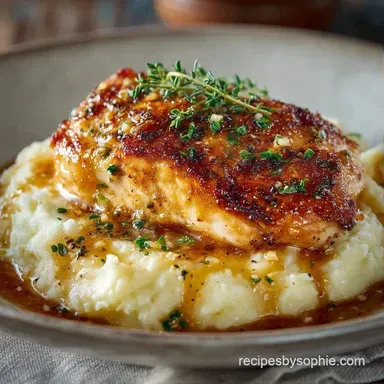
Creamy Garlic Chicken and Mash: Velvety Sauce
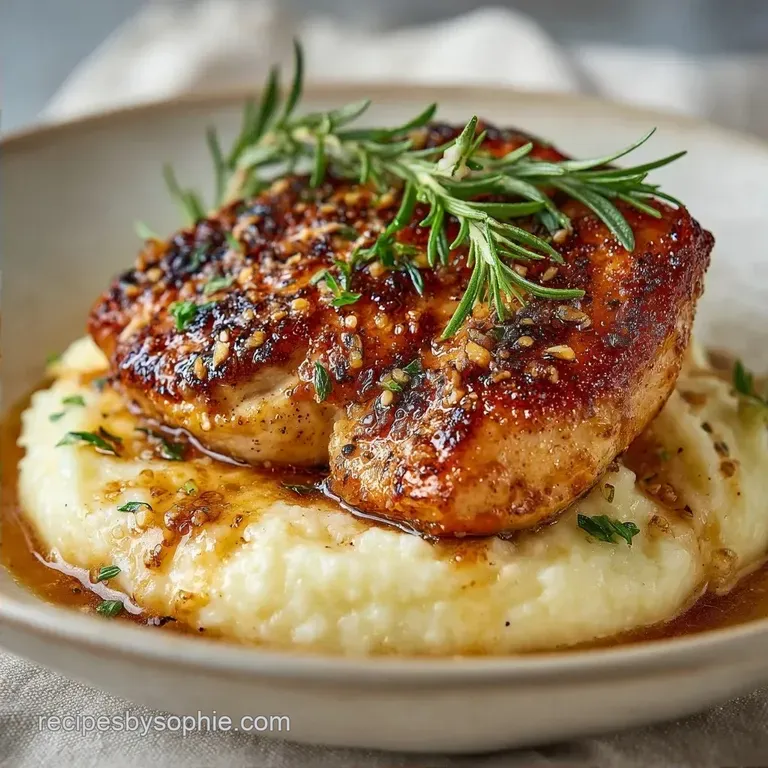
- Time: 20 min active + 35 min cook
- Flavor/Texture Hook: Velvety garlic sauce over airy, buttery potatoes
- Perfect for: Busy weeknight dinners or cozy date nights
- Garlic Chicken Mash: The Best Comfort Meal
- The Secrets to Better Texture
- Component Breakdown and Science
- Tools for Easy Cooking
- Steps from Prep to Plate
- Fixing Common Cooking Errors
- Troubleshooting Common Issues
- Flavor Swaps and Variations
- Scaling Your Meal
- Truth About Kitchen Myths
- Storage and Reheating Tips
- Serving Suggestions and Pairings
- Recipe FAQs
- 📝 Recipe Card
Garlic Chicken Mash: The Best Comfort Meal
The sound of chicken hitting a hot skillet is my favorite kitchen noise. That aggressive sizzle tells me the crust is forming, and the smell of garlic hitting butter is enough to make anyone run into the kitchen. I remember the first time I tried making this for my family.
I was so rushed that I mashed the potatoes while they were still dripping with water. The result was a soupy mess that didn't hold the sauce, and the chicken ended up steaming instead of searing.
Since then, I've learned a few non negotiable rules. You have to let the potatoes steam dry, and you have to be patient with the chicken's golden crust. Once you get those two things right, the Garlic Chicken Mash becomes a reliable staple.
It's the kind of meal that feels fancy but actually comes together in under an hour.
This recipe focuses on a velvety parmesan sauce and Yukon Gold potatoes. We aren't using heavy cream for everything, which keeps it from feeling too heavy. Instead, we use Greek yogurt in the mash for a slight tang that cuts through the richness of the butter.
It's a balanced, cozy plate that hits every comfort food note.
The Secrets to Better Texture
Getting the texture right is where most people trip up. If you want that cloud like consistency in your potatoes, you have to manage the starch and moisture. Most home cooks just drain the pot and start mashing, but that leaves too much water in the potato cells.
By letting them sit in the hot pot for two minutes, that extra steam escapes. This creates more room for the butter and milk to soak in, making the mash velvety rather than gluey.
For the chicken, the goal is a golden exterior and a juicy center. Searing the meat at a high temperature creates a crust that holds onto the sauce. If you've ever had chicken that felt rubbery, it's usually because the pan wasn't hot enough, causing the meat to leak juices and boil in its own liquid. For more on the physics of searing, Serious Eats explains how high heat develops those flavor packed brown bits.
The sauce relies on a simple reduction. When we whisk in the chicken broth and half and half, we're creating a stable emulsion. Using a bit of Parmesan cheese doesn't just add salt, it acts as a thickener. If you're looking for a different way to handle the protein, you might like my tender garlic chicken breast method, but for this specific Garlic Chicken Mash, the medallion cut is the way to go because it cooks faster.
- Moisture Control
- Steam drying potatoes prevents the mash from becoming watery.
- Protein Searing
- over High heat browning creates a crust that anchors the sauce.
- Sauce Reduction
- Simmering the broth and cream concentrates the garlic flavor.
- Acid Balance
- Greek yogurt adds a subtle tang that prevents the dish from tasting "flat".
| Method | Time | Texture | Best For |
|---|---|---|---|
| Fast (Instant) | 15 mins | Smooth but dense | Very tight schedules |
| Classic (Boiled) | 55 mins | Airy and buttery | Maximum flavor/comfort |
| Slow Cooker | 4 hours | Soft and tender | Set and forget meals |
Component Breakdown and Science
Understanding why we use specific ingredients helps you troubleshoot when things go sideways. For example, Yukon Golds are the gold standard here because they have a medium starch content. They aren't as waxy as red potatoes or as mealy as Russets, giving us the best of both worlds.
| Ingredient | Science Role | Pro Secret |
|---|---|---|
| Yukon Gold Potatoes | Starch Base | Keep skins off for a smoother, velvet feel |
| Greek Yogurt | Acid/Body | According to USDA FoodData, it adds protein and a creamy tang without extra fat |
| Parmesan Cheese | Emulsifier | Use freshly grated for a smoother melt |
| Chicken Broth | Flavor Solvent | Deglazes the pan to incorporate the seared bits |
Tools for Easy Cooking
You don't need a professional kitchen to nail this Garlic Chicken Mash. A few basic tools make the process way smoother.
- A large pot for the potatoes.
- A potato masher or a ricer (if you want it ultra smooth).
- A heavy bottomed skillet (stainless steel or cast iron works best for searing).
- A whisk for the sauce.
- Tongs for flipping the chicken medallions.
Chef's Note: If you don't have a masher, a large fork works in a pinch, but a ricer is what gives you those "cloud" potatoes. Just don't use a blender or food processor, or you'll turn the starch into glue.
Steps from Prep to Plate
Phase 1: Creating the Airy Mash
- Place cubed potatoes and smashed garlic cloves in a pot of salted water. Bring to a boil and simmer for 15-20 minutes until they are fork tender and slide off the fork easily.
- Drain potatoes thoroughly. Let them sit in the hot pot for 2 minutes until the surface looks matte and steam stops billowing. Note: This is the secret to non watery mash.
- Mash potatoes with butter, milk, and Greek yogurt. Work them until smooth and airy, then cover the pot to keep the heat in.
Phase 2: Searing the Protein
- Season chicken medallions with salt, pepper, and dried Italian seasoning. Ensure they are patted dry with a paper towel first.
- Heat olive oil and butter in a large skillet over medium high heat. Sear chicken for 3-5 minutes per side until golden brown and slightly crisp on the edges. Remove and set aside on a plate.
Phase 3: Building the Creamy Garlic Sauce
- Lower heat to medium in the same skillet. Sauté minced garlic for about 1 minute until fragrant but not brown.
- Whisk in chicken broth, half and half, and Parmesan cheese. Simmer for 3-5 minutes until the sauce reduces and looks like a velvety glaze.
- Return the seared chicken to the pan. Toss for 1-2 minutes until every piece is thoroughly coated in the sauce.
- Spoon the creamy garlic chicken over the prepared mash and serve immediately.
Fixing Common Cooking Errors
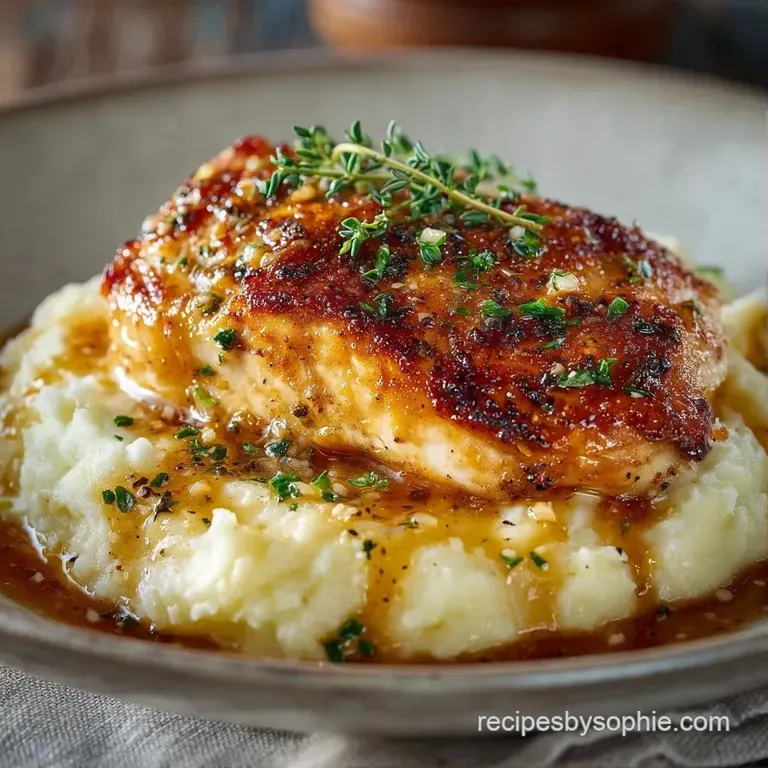
Most mistakes with Garlic Chicken Mash come down to temperature control. If the pan is too cold, the chicken boils; if it's too hot, the garlic burns.
Troubleshooting Common Issues
| Issue | Solution |
|---|---|
| Why Your Sauce Split | If the sauce looks curdled or has oil floating on top, it's usually because the heat was too high when you added the dairy. The fats separate from the solids. |
| Why Your Chicken Is Rubbery | This happens when the meat is overcooked or cooked too slowly. Slicing the chicken into medallions helps ensure it cooks evenly. |
| Why Your Garlic Tastes Bitter | Burnt garlic is the enemy. It happens in seconds. If the garlic turns dark brown, it's already too late. Toss it and start the sauce over. |
Common Mistakes Checklist
- ✓ Patted chicken dry before searing.
- ✓ Salted the potato water generously.
- ✓ Sautéed garlic for 60 seconds max.
- ✓ Let potatoes steam dry in the pot.
- ✓ Reduced sauce until it coated the back of a spoon.
Flavor Swaps and Variations
This Garlic Chicken Mash is a great base, but you can tweak it based on what's in your fridge. If you want a punchier flavor, try adding a squeeze of fresh lemon juice to the sauce right at the end. It wakes up the Parmesan and cuts through the butter.
If you're looking for something more diet friendly, you can swap the half and half for a splash of almond milk and add a bit more Greek yogurt to the sauce for thickness. For a more rustic feel, you can keep the potato skins on, but make sure to scrub them well.
If you love a creamy finish, you might enjoy my Chicken Sauce for 4 recipe which uses a similar base but works great with other proteins too.
| Original Ingredient | Substitute | Why It Works |
|---|---|---|
| Yukon Gold (1.5 lbs) | Russet Potatoes | More starchy, makes a fluffier but less creamy mash |
| Half and Half (1/2 cup) | Heavy Cream | Richer and thicker, but more calories |
| Parmesan (1/3 cup) | Pecorino Romano | Saltier and sharper flavor profile |
| Chicken Broth (3/4 cup) | White Wine | Adds an acidic, sophisticated depth to the sauce |
Scaling Your Meal
Adjusting the Garlic Chicken Mash for a crowd or a solo dinner is simple, but don't just double everything blindly.
Scaling Down (Half Recipe) When cutting the recipe in half, use a smaller skillet so the sauce doesn't evaporate too quickly. Reduce the simmering time for the sauce by about 20%, as a smaller volume of liquid reduces much faster.
If the recipe calls for a fractional egg or similar, whisk one and use half.
Scaling Up (Double or Triple) Don't crowd the pan. If you put 3 lbs of chicken in one skillet, the temperature will drop and the meat will steam instead of sear. Work in batches. For the sauce, increase the salt and Italian seasoning to 1.5x instead of 2x, then taste and adjust.
Too much dried herb can make the sauce taste medicinal.
Truth About Kitchen Myths
There's a lot of bad advice out there about Chicken and Mash. Let's clear a few things up.
One big myth is that searing chicken "seals in the juices." It doesn't. Moisture loss happens regardless of how you cook it. However, searing creates a crust that adds massive flavor and a better texture, which makes the juiciness feel more pronounced.
Another common misconception is that you need a handheld mixer for smooth potatoes. In reality, a mixer often over works the starch, turning your mash into a sticky, glue like paste. A simple masher or ricer is actually the professional choice for a light result.
Storage and Reheating Tips
Garlic Chicken Mash keeps well, but the two components behave differently.
Fridge and Freezer Store the mash and the chicken in separate airtight containers in the fridge for up to 3 days. The mash freezes surprisingly well for 2 months, but the sauce can separate. I recommend freezing the chicken without the sauce, then making a fresh batch of sauce when you reheat.
Reheating for Quality To avoid rubbery chicken, don't microwave it on high. Use a skillet over medium low heat with a splash of water or broth to loosen the sauce. For the mash, heat it in a small pot with a tablespoon of milk to bring back that velvety texture.
Zero Waste Tips Don't toss the potato peels. Toss them in olive oil and salt, then air fry or bake them at 400°F for 10 minutes for a crunchy snack. If you have leftover chicken broth, freeze it in ice cube trays to use as a flavor base for future pan sauces.
Serving Suggestions and Pairings
While this Garlic Chicken Mash is a complete meal, a bit of greenery on the plate makes it feel balanced. Roasted asparagus or sautéed spinach works perfectly because the bitterness of the greens cuts through the creamy sauce.
If you want something more filling, a side of honey glazed carrots adds a sweetness that complements the salty Parmesan. For a drink, a crisp white wine or a sparkling lemon water keeps the palate fresh between bites of the rich mash.
Right then, you've got everything you need to nail this dish. Just remember to dry those potatoes and get that pan screaming hot for the chicken. Trust me on this, the extra two minutes of steaming the potatoes is the difference between a "good" meal and a "wow" meal. Let's crack on and get cooking!
Recipe FAQs
What sauce pairs best with chicken and mash?
A velvety garlic Parmesan glaze. This pairs perfectly with my quick garlic skillet for a similar flavor profile.
How to keep the chicken from becoming rubbery?
Slice the breasts into medallions. This ensures the meat cooks evenly and quickly over medium high heat to prevent overcooking.
How to prevent the garlic from tasting bitter in the sauce?
Sauté minced garlic over medium heat only until fragrant. Avoid letting it turn dark brown, as burnt garlic creates a bitter taste.
How to fix a sauce that has split or curdled?
Lower the heat immediately. Splitting occurs when dairy is added to a pan that is too hot, causing fats to separate from the solids.
Is it true that I should microwave the leftovers on high for speed?
No, this is a common misconception. High microwave heat makes the chicken rubbery; use a skillet over medium low heat with a splash of broth instead.
How to achieve a smooth and airy potato mash?
Steam dry the potatoes for 2 minutes after draining. This removes excess moisture before mashing with butter, milk, and Greek yogurt for an airy texture.
What is the best way to reheat this meal without losing quality?
Heat the mash and chicken separately. Warm the mash in a pot and use a skillet for the chicken to preserve the sauce's consistency.
Garlic Chicken Mash for 4 Servings