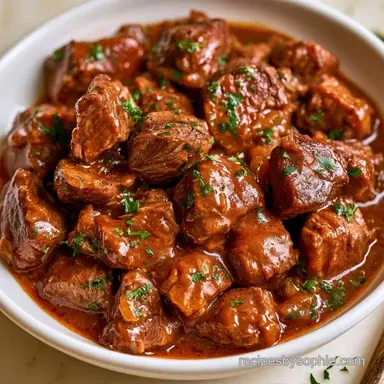
Tender Dutch Oven Beef Stew: One-Pot Method

- Time: 30 min active + 150 min cooking + 3 min rest
- Flavor & Texture: Savory, chestnut brown, and rich
- Perfect for: Cold Sunday dinners or meal prep
Tender Dutch Oven Beef Stew
The smell of searing beef and fresh thyme filling the kitchen is the best part of a rainy day. You want a bowl of something that feels heavy and warming, not a thin soup with rubbery meat.
The goal here is a thick, glossy sauce and beef that falls apart with a fork. By using a heavy pot and the oven, you get a steady heat that doesn't scorch the bottom.
How It Comes Together
- Batch Searing: Browning the meat in small groups prevents the pan from cooling down. This keeps the beef from steaming in its own juices.
- Staggered Veggies: Adding root vegetables halfway through ensures they get tender without turning into mush.
- Heavy Lid: A tight seal traps steam, which breaks down the tough connective tissue in the beef.
| Method | Time | Texture | Best For |
|---|---|---|---|
| Oven Braise | 150 min | Uniformly tender | Set and forget |
| Stovetop | 180 min | More reduced | Active monitoring |
Gathering Your Essentials
| Ingredient | What It Does | Best Swap |
|---|---|---|
| Beef Chuck | Provides fat and collagen | Beef shoulder |
| Tomato Paste | Adds color and depth | Tomato puree (use more) |
| Balsamic Vinegar | Brightens the rich flavor | Apple cider vinegar |
- 3 lbs beef chuck roast, cut into 1.5-inch cubes Why this? High collagen makes it tender
- 2 tbsp vegetable oil
- 2 tsp kosher salt
- 1 tsp black pepper
- 1/4 cup all-purpose flour
- 1 large yellow onion, diced
- 3 cloves garlic, minced
- 3 medium carrots, sliced into thick rounds
- 2 stalks celery, sliced
- 2 tbsp tomato paste Why this? Thickens and adds umami
- 1 tbsp Worcestershire sauce
- 4 cups low-sodium beef broth
- 1 tbsp balsamic vinegar
- 2 bay leaves
- 3 sprigs fresh thyme
- 1 sprig fresh rosemary
- 1½ lbs Yukon Gold potatoes, cut into 1-inch chunks Why this? Holds shape better than Russet
- 1 cup frozen peas
- 2 tbsp fresh parsley, chopped
Equipment Needed
You need a 6-quart cast iron Dutch oven. The heavy walls distribute heat evenly, which prevents hot spots that could burn the stew. A tight-fitting lid is mandatory to keep the moisture inside.
How to Make It
Searing the Beef
- Preheat the oven to 325°F (163°C). Pat the beef cubes thoroughly dry with paper towels. Note: Wet meat won't brown
- Toss the beef in a bowl with 2 tsp kosher salt, 1 tsp black pepper, and 1/4 cup all-purpose flour until lightly coated.
- Heat 2 tbsp vegetable oil in the Dutch oven over medium-high heat. Working in 3 separate batches, sear the beef for 3–5 minutes per side until a chestnut brown crust forms. Remove each batch to a plate and set aside.

Building the Base
- Reduce heat to medium. Add the diced yellow onion and sliced celery. Cook for 5 minutes until softened.
- Stir in the minced garlic and 2 tbsp tomato paste. Cook for 2 minutes, stirring constantly, until the paste turns a deep brick red.
- Pour in a small amount of beef broth. Use a wooden spoon to scrape up all the browned bits (fond) from the bottom of the pot.
- Return the seared beef and any collected juices to the pot.

The Slow Braise
- Add the remaining low-sodium beef broth, 1 tbsp balsamic vinegar, 1 tbsp Worcestershire sauce, 2 bay leaves, 3 sprigs fresh thyme, and 1 sprig fresh rosemary.

- Cover with a tight-fitting lid and transfer to the oven. Braise for 90 minutes.
- Stir in the 1½ lbs Yukon Gold potatoes and 3 sliced carrots.
- Cover again and return to the oven for another 45–60 minutes, until the beef is melt-in-your-mouth tender and reaches an internal temperature of 195–205°F (90–96°C) followed by a 3-minute rest.
Final Touch
- Stir in 1 cup frozen peas. Discard the bay leaves and herb sprigs. Garnish with 2 tbsp chopped fresh parsley.
Avoiding Common Pitfalls
If your beef feels rubbery, it just needs more time. You can't rush the breakdown of collagen. Put it back in the oven for another 30 minutes and check again.
When the gravy is too thin, you can simmer it on the stovetop without the lid for 10 minutes. This reduces the liquid and concentrates the flavor. For an even thicker result, you can try a Stovetop Beef Stew approach where you reduce the sauce more aggressively.
To keep vegetables from disintegrating, always add them in the final hour. Potatoes added too early will dissolve into the sauce, making it thick but losing the chunky texture.
| Problem | Root Cause | Solution |
|---|---|---|
| Rubbery beef | Undercooked | Braise for 30 more mins |
| Watery sauce | Too much broth | Simmer without lid |
| Mushy potatoes | Added too early | Add in last 60 mins |
Variations & Substitutions
For a different twist, try adding a diced parsnip or turnip along with the carrots. These add an earthy sweetness that fits well with the beef. If you prefer a more traditional vibe, an Irish Beef Stew often uses a slightly different vegetable blend.
Freezing and Reheating Guide
Keep extra portions in a sealed container in the refrigerator. Per USDA guidelines, these cooked leftovers are safe for 3 to 4 days.
This stew freezes beautifully since the beef's collagen helps maintain the texture. Let the stew cool entirely before pouring it into freezer-safe bags, leaving an inch of headspace for expansion. It will stay fresh for up to 3 months.
To warm it up, use a pot on the stovetop over low heat. Skip the microwave, as it may toughen the beef. If the liquid has thickened, stir in a splash of beef broth. Heat until the stew reaches 165°F (74°C) to meet USDA safety standards.
When reheating cooked leftovers, check with a food thermometer that the center reaches 165°F (74°C); the appliance temperature and time alone do not confirm this.
How to Serve and Enjoy

I prefer serving this in deep bowls with some crusty sourdough bread for soaking up the gravy. If you're looking for a heartier meal, try ladling it over a generous heap of garlic mashed potatoes.
Ensure the parsley garnish remains fresh. Adding it just before serving provides a bright, herbal contrast to the rich, savory flavors of the braise. A sprinkle of freshly cracked black pepper is all you need for a bit of extra heat.
High Sodium Content
1081 mg of sodium per serving (47% of daily value)
American Heart Association recommendation: no more than 2,300 mg of sodium per day
Tips to Reduce Sodium
-
Minimize Added Salt
Significantly cut back on or eliminate the kosher salt used for seasoning the meat; the other ingredients already offer a strong flavor base.
-
Try a Different Broth
Substitute the low-sodium beef broth with an unsalted beef stock or a homemade salt-free vegetable broth.
-
Cut Back on Worcestershire Sauce
Use less Worcestershire sauce or swap it for a small amount of coconut aminos to maintain a similar savory depth.
-
Select Salt-Free Tomato Paste
Choose a salt-free tomato paste to keep the sodium levels in the concentrated base low.
-
Boost Fresh Herbs
Increase the amount of fresh rosemary, thyme, and parsley to add complexity and richness without relying on salt.
Frequently Asked Questions
Can I finish or cook this on the stovetop or in a slow cooker instead of the oven?
Yes, you can adapt this for a slow cooker. For a different serving suggestion, try pairing it with mashed potatoes.
Would adding extra vegetables like turnips or celery work, and does it need more acid?
You can add diced turnips for an earthy sweetness. The recipe already includes balsamic vinegar and Worcestershire sauce to provide the necessary acid and umami.
How to make super tender beef stew that melts in your mouth?
Sear the beef in batches to create a chestnut brown crust before braising at 325°F. Low and slow heat breaks down the tough connective tissue in the chuck roast.
Slow-Cooked Tender Dutch Oven Beef Stew