Lemon Ricotta Cake: Tangy and Moist
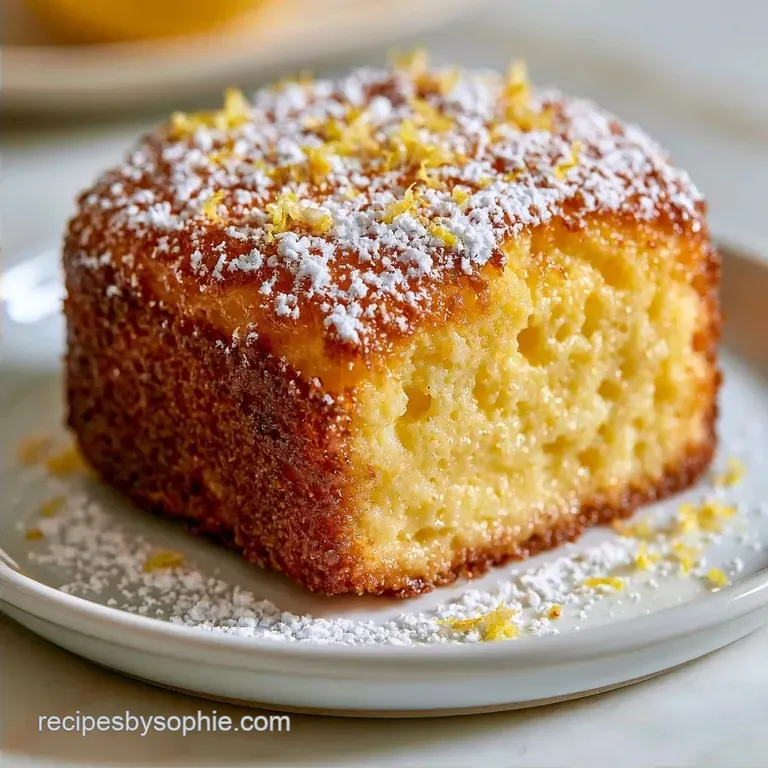
- Time: 15 min active + 55 min bake + 60 min cooling
- Flavor/Texture Hook: Tangy, cloud like, and moist
- Perfect for: Sunday brunch or a light spring dessert
Ever wondered why some lemon cakes feel like they are fighting you with every dry bite, while others just melt? I used to think the only way to get that professional texture was with a fancy stand mixer and a degree in pastry arts. Then I started playing with ricotta.
It changes the whole physics of the batter, turning a standard sponge into something that feels more like a cross between a cake and a cheesecake.
The first time I tried this, my kitchen smelled like a lemon grove for three days. There is something about the way fresh zest hits softened butter that just wakes up the whole house.
I spent a while figuring out how to keep the cake from sinking in the middle, which usually happens when the ricotta is too watery or the eggs aren't incorporated right.
This Lemon Ricotta Cake isn't about complex techniques, but it is about timing. If you rush the creaming process, you end up with a brick. If you overmix the flour, it gets tough. But when you hit those markers, you get a slice that is tender and bright.
Easy Lemon Ricotta Cake Specs
Getting the timing right is the only real hurdle here. I've found that using a springform pan is a lifesaver because this cake is so tender it can easily break if you try to flip it out of a traditional round tin.
You want to see the edges just starting to pull away from the sides of the pan before you even think about taking it out.
The total time comes to about 2 hours and 10 minutes, but most of that is just waiting for the oven to do its thing. I usually use this time to clean up the flour dusting on my counters.
Since it serves 12, it is a great choice for when people come over, but honestly, it's just as good with a cup of coffee on a Tuesday morning.
For the best results, make sure your eggs and ricotta are at room temperature. Cold eggs can cause the butter to seize, which ruins the aeration. I usually set them on the counter about an hour before I start.
If you're in a rush, you can put the eggs in a bowl of warm water for 5 minutes to take the chill off.
Why the Texture Works
The way this cake comes together is all about managing air and moisture. Instead of relying solely on baking powder, we use the fat in the butter and cheese to hold onto air bubbles.
Ricotta Proteins: The cheese introduces a high moisture content and specific proteins that create a velvety mouthfeel. This prevents the crumb from becoming crumbly or dry.
The Creaming Phase: Beating the butter, sugar, and ricotta for 5 minutes forces millions of tiny air pockets into the fat. These pockets expand in the oven, giving the cake its lift.
Acid Balance: The lemon juice reacts with the baking powder to create a quick burst of carbon dioxide. This helps the cake rise evenly before the structure sets.
Ingredients and Swaps
When picking your ricotta, go for the whole milk version. low-fat versions have more whey, which can make the batter too runny and lead to a sunken center. Serious Eats' testing suggests that draining your ricotta through a fine mesh sieve for 15 minutes can help if your brand seems particularly watery.
| Ingredient | What It Does | Best Swap |
|---|---|---|
| Whole Milk Ricotta | Adds moisture and structure | Blended cottage cheese (smooth) |
| Unsalted Butter | Provides lift and richness | Solid coconut oil (1:1 ratio) |
| All Purpose Flour | Builds the cake structure | 1:1 gluten-free flour blend |
| Fresh Lemon Juice | Adds acidity and brightness | Lime juice (for a different tang) |
For the batter, you'll need: - 1/2 cup (113g) unsalted butter, softened Why this? Soft butter creams better for air - 1 cup (200g) granulated sugar - 1 cup (245g) whole milk ricotta cheese Why this? Provides the signature moist crumb - 3 large eggs, room
Temperature - 1 1/2 cups (190g) all purpose flour - 2 tsp (10g) baking powder - 1/2 tsp (3g) salt - 2 tbsp (12g) fresh lemon zest - 3 tbsp (45ml) fresh lemon juice - 1 tsp (5ml) pure vanilla extract
For the glaze: - 1 cup (120g) powdered sugar - 2 tbsp (30ml) fresh lemon juice - 1/2 tsp (2g) lemon zest
Tools for the Job
I prefer a 9 inch springform pan for this Lemon Ricotta Cake. It allows you to pop the sides off without stressing the cake. If you only have a standard cake pan, just make sure you grease it heavily and use a circle of parchment paper on the bottom.
A hand mixer works fine, but a stand mixer such as KitchenAid makes the 5 minute creaming step much easier on your arms. You also want a whisk for the dry ingredients to ensure there are no clumps of baking powder.
Finally, a wire rack is a must for cooling, otherwise, the bottom of the cake can get soggy from trapped steam.
Chef's Note: To get the most zest, use a microplane. It gets the yellow skin without digging into the bitter white pith.
Mixing and Baking Steps
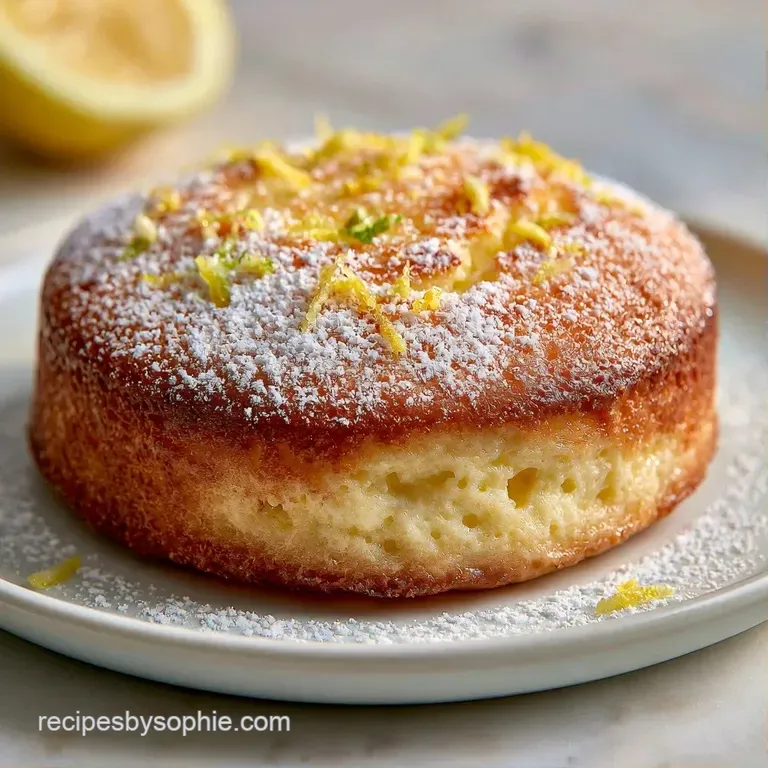
Time to start mixing. The order in which you add the ingredients is key to maintaining a stable emulsion.
- Set your oven to 350°F (175°C). Prepare a 9 inch springform pan by greasing it and lining the base with parchment paper.
- Using medium high speed, cream together the softened butter, granulated sugar, and ricotta. Keep beating for 4-5 minutes until the mixture becomes light and pale. Note: This step provides the necessary lift.
- Incorporate the eggs one by one, beating on high for 30 seconds between each addition.
- Mix in the vanilla extract, lemon juice, and lemon zest. Beat for 2 more minutes until the batter is smooth and glossy.
- In another bowl, whisk the salt, baking powder, and flour.
- On low speed, slowly blend the dry ingredients into the wet batter. Stop as soon as the flour streaks disappear. Note: To avoid a tough cake, do not overmix.
- Transfer the batter to the prepared pan and level the top with a spatula.
- Bake for 50-55 minutes until a toothpick inserted in the center comes out clean.
- Let the cake rest in the pan for 15 minutes before transferring it to a wire rack to cool fully.
- Combine the zest, lemon juice, and powdered sugar. Drizzle the resulting glaze over the cake once cooled.
Your batter should be thick but still pourable. If it appears to separate after adding the eggs, simply beat for an extra minute to restore a silky texture.
Fixing Common Bakes
Even when you follow the steps, baking can be temperamental. I've had my fair share of Lemon Ricotta Cake disasters, so here is how to handle the usual hiccups.
Fixing a Dense Cake
If your cake feels heavy or rubbery, you likely didn't cream the butter and ricotta long enough. That 5 minute window is non negotiable. Another culprit is overmixing the flour, which develops too much gluten. Next time, stop the mixer the second the flour disappears.
Preventing Batter Separation
If the batter looks curdled after adding the eggs, it's usually because the eggs were too cold. This breaks the emulsion. You can fix this by adding a tablespoon of your measured flour into the mix and beating on high for 30 seconds. This helps bind the fats and liquids back together.
Stopping the Sticking
A Lemon Ricotta Cake can be sticky because of the high moisture. If it's clinging to the pan, run a thin knife around the edge before releasing the springform clip. If the bottom sticks to the parchment, let it cool completely before lifting; the sugars set as it cools, making it easier to remove.
Different Flavor Twists
While the classic version is a winner, you can easily tweak this. For a nuttier flavor, you can make a Lemon Ricotta Cake with almond flour by replacing half of the all purpose flour with superfine almond meal. This makes the cake even denser and more moist, almost like a Frangipane.
If you want more tang, fold in an extra teaspoon of lemon zest or swap half the lemon juice for lime juice. For those who want something even more decadent, you can serve this with a dollop of mascarpone cream on the side. For another creamy treat, try this Ricotta Cheesecake recipe.
Here is a quick guide for changing the goal of your bake: - Extra tang? → fold in 1 tsp lemon zest - Brighter color? → use organic lemons - Denser crumb? → reduce creaming time to 2 mins
| Method | Texture | Crust Style |
|---|---|---|
| Oven Bake | Light and airy | Golden brown, slightly crisp |
| Stovetop Steam | Dense and custard like | Pale, soft, and moist |
The oven is definitely the way to go for this recipe. Steaming it changes the nature of the cake entirely, turning it into something closer to a steamed pudding.
Storage and Waste Tips
Store your cake under a cake dome or in a sealed container. It will remain fresh in the refrigerator for 4 days. I personally find the Lemon Ricotta Cake is even tastier on the second day once the citrus notes have had time to blend.
To freeze, cut the cake into slices first. Wrap each piece securely in plastic wrap and store them in a freezer bag for approximately 2 months. To enjoy again, microwave a slice for 15-20 seconds or allow it to thaw in the fridge overnight.
Instead of tossing the lemon peels, I usually let the skins sit in a jar of white vinegar for two weeks to make a wonderful all-purpose cleaner. If you're left with extra ricotta, my lemon ricotta pasta is a speedy lunch that shares the same zesty profile.
Plating and Serving
To get a clean cut, use a serrated knife, as a smooth blade may compress the delicate crumb. I recommend pairing each slice with a few fresh raspberries or a strawberry sliver to provide a vibrant red contrast against the pale yellow.
A light dusting of powdered sugar gives the plate a professional bakery finish. For an extra touch, a drizzle of honey over the glaze adds a subtle floral sweetness.
This Lemon Ricotta Cake is delicious on its own, but it also pairs beautifully with a dollop of whipped cream or some vanilla ice cream. The contrast of the chilled topping against the room temperature cake is wonderful. Since it isn't overly sweet, it works equally well as a breakfast treat or a dinner party dessert.
Finally, ensure the cake has cooled completely before applying the glaze. If it is even slightly warm, the glaze will melt and soak into the sponge. While it still tastes great, you'll lose the attractive white drips that make the Lemon Ricotta Cake look so inviting.
And that's it! This recipe is all about patience during the mixing and faith during the baking. Once you spot that golden edge and smell the lemon in the air, you'll know it's a success. Enjoy your Lemon Ricotta Cake!
Recipe FAQs
What does adding ricotta to cake do?
Ricotta creates a moist, dense, and creamy crumb. It adds a slight tang that balances the sweetness of the sugar.
How to store the cake once it's cooled?
Place the cake under a cake dome or in a sealed container. It stays fresh in the refrigerator for several days.
Is it true that the cake must be chilled before glazing?
Actually, no. You just need to let it cool completely on a wire rack so the glaze doesn't melt and run off.
Can I use a regular cake pan instead of a springform?
Yes, a regular pan works if you grease it well. For other citrus treats that use a standard baking pan, try our lemon dessert bars.
Lemon Ricotta Cake